































A boudoir set succeeds or fails before the client steps in front of the camera. The right surface gives the image a believable sense of place, directs attention to the subject, and reduces the need to repair distracting seams, shine, or empty space in post-production. These boudoir photography studio backdrop ideas are built for working studios that need intimate results, repeatable setups, and materials that photograph true under controlled light.
Start With the Mood, Then Build the Set
Boudoir is not one visual style. A soft, airy session calls for different surfaces than a dramatic editorial set or a dark, cinematic portrait. Begin with the client experience and wardrobe. Delicate lingerie, white sheets, and natural window-style light work well with pale plaster, linen, or bedroom-inspired scenes. Leather, structured bodysuits, and high-contrast lighting need a darker backdrop with depth, such as charcoal canvas, aged walls, or rich velvet.
The backdrop should support the subject rather than compete with them. Fine texture is useful because it adds dimension without pulling focus. Large-scale patterns, busy florals, or sharply defined architectural details can work, but they require more deliberate posing and framing. For most studios, a versatile collection of neutral backgrounds, one romantic option, and one moody option covers a wide range of client preferences.
12 Boudoir Photography Studio Backdrop Ideas
1. Soft Gray Hand-Painted Canvas
A hand-painted gray canvas is one of the most flexible choices in a boudoir studio. Its tonal variation gives the frame a finished look while remaining neutral enough for nearly any wardrobe color. Use it with broad, feathered light for an elegant portrait or with a narrow grid for sculpted black-and-white images. Look for a matte surface that avoids hot spots when the subject is positioned close to the background.
2. Ivory Plaster or Textured Wall
An ivory plaster look creates the feeling of a refined bedroom, suite, or dressing room without requiring a permanent wall build. The light color keeps the set open and flattering, especially for high-key work. It is particularly effective with cream bedding, silk robes, soft pink accents, and natural makeup. Keep shadows gentle so the texture reads as depth rather than as a distracting pattern.
3. Deep Charcoal Canvas
For dramatic portraits, a deep charcoal backdrop offers more detail than solid black while preserving a dark, controlled mood. It separates dark hair and black wardrobe better than a pure black surface in many lighting setups. Add a low-key rim light or a gridded strip light to define the shoulders and hips, then let the backdrop fall gradually into shadow.
4. Warm Taupe Linen
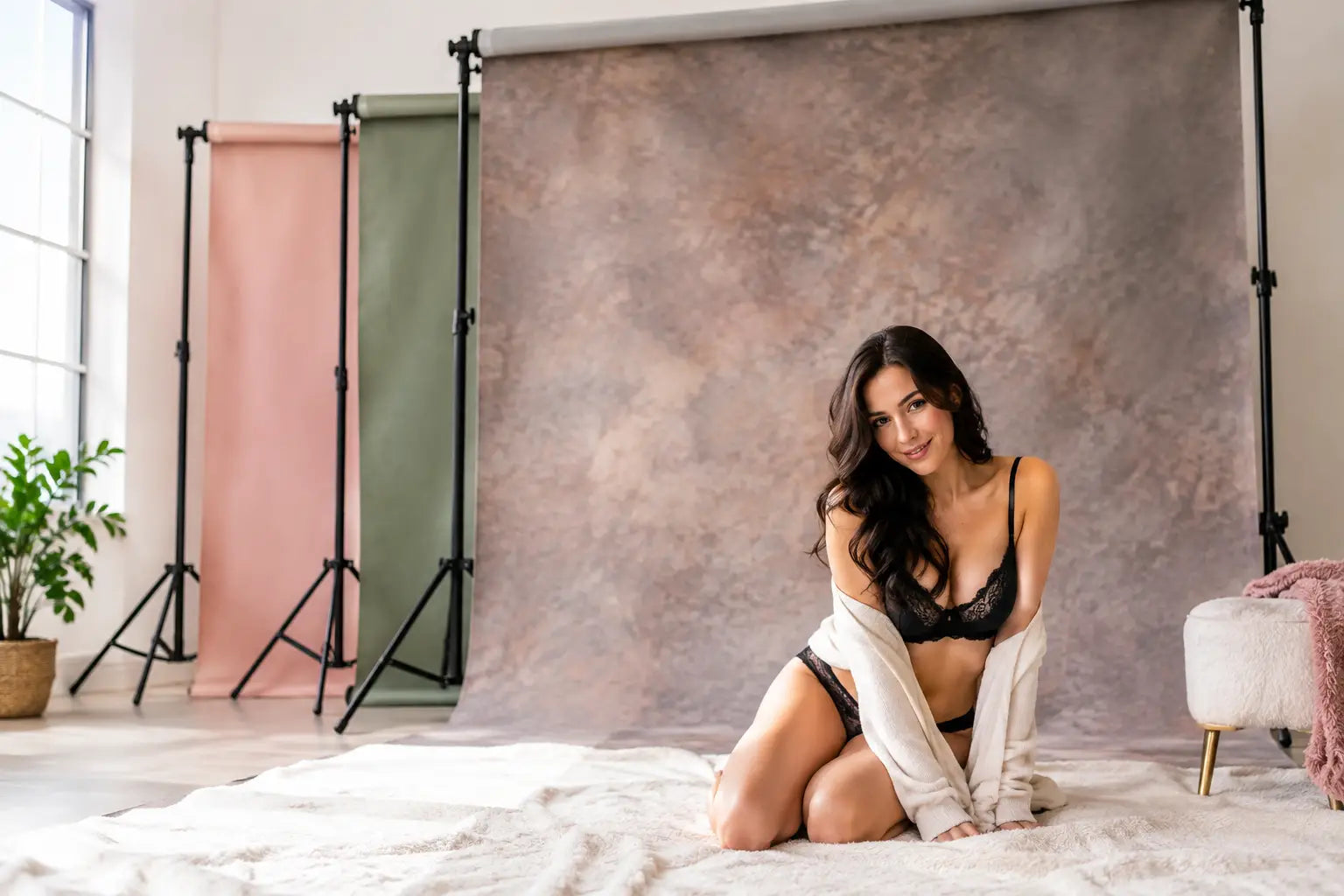
Taupe linen brings an organic, editorial quality to close portraits and seated poses. Its warm undertone complements skin without turning the full frame overly yellow. This is a strong choice for natural-light-inspired studio work, neutral lingerie, and relaxed sessions that need to feel polished but not overly styled. A subtle wrinkle pattern is often welcome here, provided it stays soft at camera distance.
5. Aged French Wall
An aged wall backdrop with worn paint, faded stone tones, or understated molding adds character without the weight of a physical set. It works especially well for vintage lingerie, corsets, and bridal boudoir. The key is scale: select a design with details large enough to read naturally behind a standing subject, rather than tiny printed elements that can look flat in camera.
6. Rich Velvet in Wine or Emerald
Velvet creates visual density that flat backdrops cannot always provide. Deep wine, emerald, navy, or plum can make a simple pose feel intentionally styled, particularly when paired with directional light and jewel-toned wardrobe. Real fabric may need steaming and careful handling, while a printed velvet-look backdrop offers faster consistency. Either way, watch for crushed blacks and keep enough separation between the subject and background.
7. White Bedroom Wall With Molding
A white wall with subtle paneling or molding provides a clean setting for bridal boudoir and bright, magazine-inspired sessions. It photographs best with a true matte finish and controlled highlights. Pair it with a white or light wood floor drop to establish a convincing room plane. Without flooring, the effect can stop at the waist and feel like a background rather than a complete environment.
8. Dark Floral Wallpaper
Dark florals are a specialty look, but they can produce memorable images for clients who want romance with edge. Choose a pattern with muted color and generous negative space rather than a high-contrast design that competes with the face. A dark floral wall works well as one section of a set, especially for seated poses, over-the-shoulder portraits, and compositions that use a chair or bench.
9. Concrete or Weathered Stone
Concrete, plaster, and weathered stone provide a contemporary, fashion-forward alternative to traditional bedroom scenes. These surfaces support stronger posing, leather wardrobe, monochrome styling, and crisp studio lighting. A realistic printed backdrop can create the visual texture without the cold, hard, permanent limitations of a built wall. Keep the background out of sharp focus when the stone pattern is pronounced.
10. Painted Black Wall
A painted black wall is simple, but it is not basic when the finish is right. Slight tonal variation prevents it from reading as an empty void, while a smooth non-reflective finish keeps specular highlights under control. This option gives photographers room to shape light precisely, use colored gels, or create a minimal fine-art portrait with no visual distractions.
11. Window and Sheer Curtain Scene
A window-inspired backdrop paired with sheer fabric can create a soft, private atmosphere in studios without reliable natural light. Place the sheer material in the foreground or at the edge of the set, then light it from the side to build depth. The printed scene should be large enough to hold its perspective from full-length through three-quarter framing. Avoid overly sharp window details that conflict with your chosen focal length.
12. Bedroom Floor and Wall Combination
A coordinated wall backdrop and floor drop is the most effective way to create an in-camera room scene. A wood, tile, stone, or concrete floor establishes perspective, supports seated and reclining poses, and gives furniture a believable foundation. Choose a non-reflective floor surface that will photograph without glare from softboxes or window-style lighting. Matching undertones between the floor and wall are more important than making them identical.
Choose Materials for How You Actually Work
Material choice affects setup speed, storage, lighting behavior, and how often a backdrop can return to the studio floor. Canvas and hand-painted backdrops offer rich surface character and a substantial presentation for portrait work. Muslin provides a softer, more casual texture and can be useful for loosely draped styling. Printed backdrops deliver detailed environments and repeatable scenes with less construction time, making them practical for studios that rotate concepts frequently.
Vinyl and specialty floor drops are especially useful where a convincing floor plane matters. For boudoir, a smooth, non-reflective finish helps maintain clean skin tones and prevents light modifiers from appearing as unwanted glare. Flooring should also be easy to position flat, particularly when clients will sit, kneel, or recline on the set.
Portability matters if the studio changes sets between appointments or travels for hotel and destination sessions. Collapsible options make sense for compact spaces and quick head-and-shoulders portraits, but they have limits for full-length poses. Wider backgrounds on a secure support system provide more freedom for movement, furniture, and off-center compositions.
Make the Background Look Like a Real Space
The most convincing boudoir sets use depth. Pull the subject several feet forward from the backdrop whenever space allows. This creates separation, softens background detail at wider apertures, and gives room for a hair light or subtle rim light. It also reduces the chance that the client casts a hard shadow directly behind them.
A backdrop becomes more believable when it meets the floor cleanly. Use a floor drop that complements the wall surface, then add only a few purposeful elements: a simple bench, an upholstered chair, a stool, a rug, or layered bedding. Too many props can make a small studio feel crowded and turn attention away from the client.
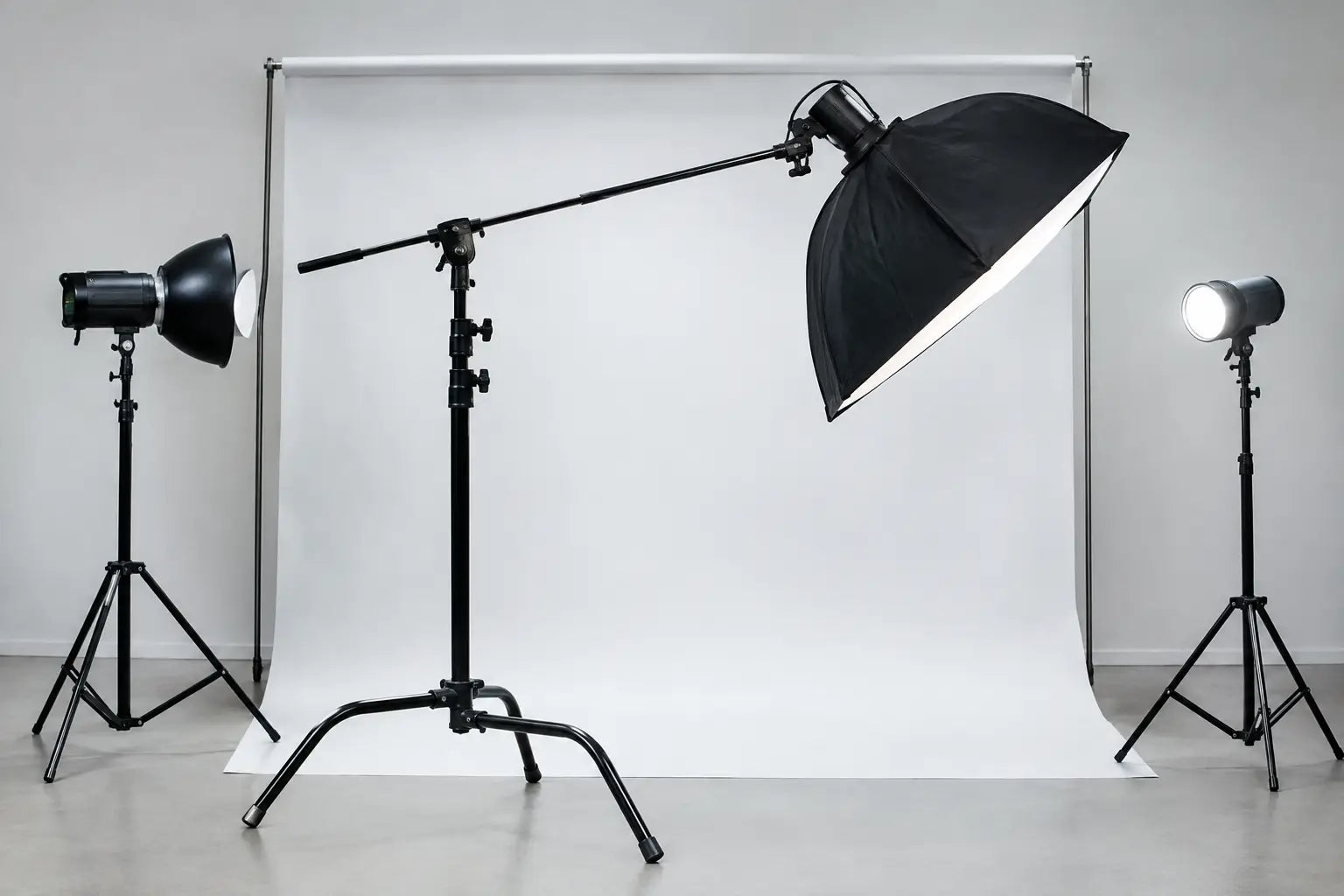
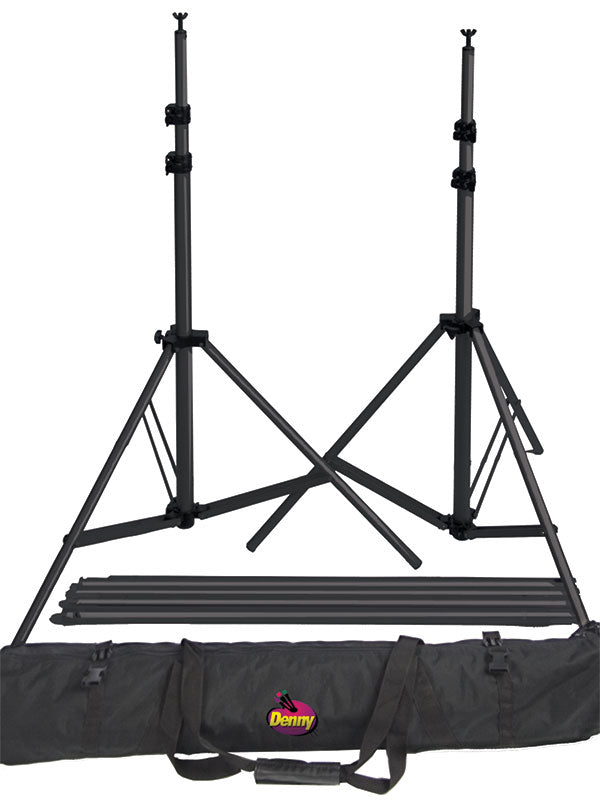
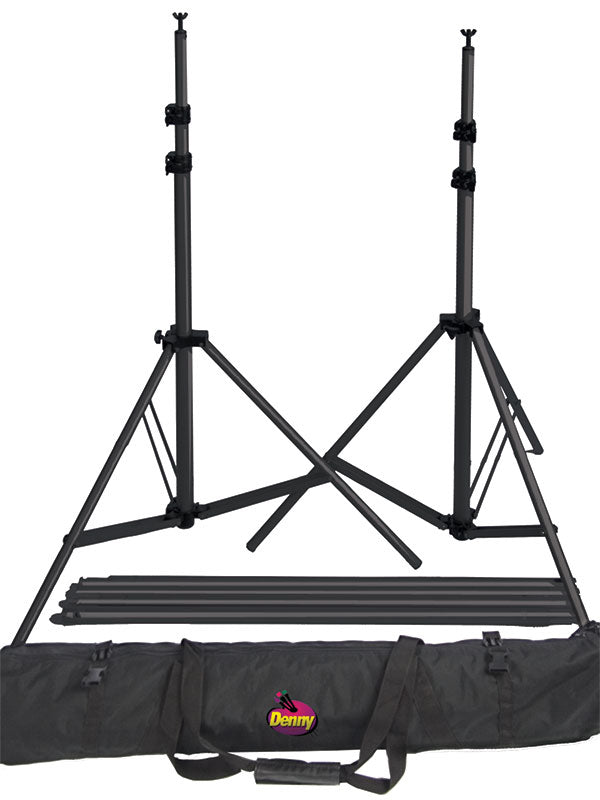
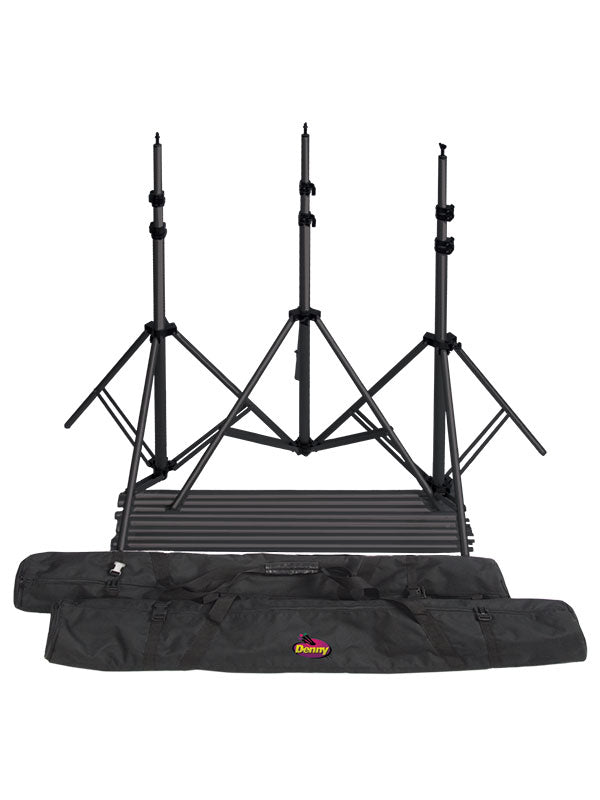
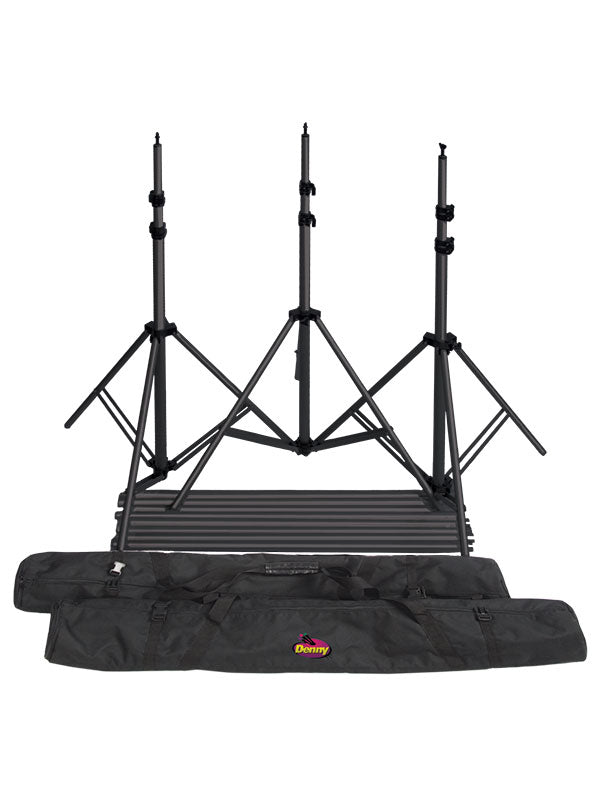
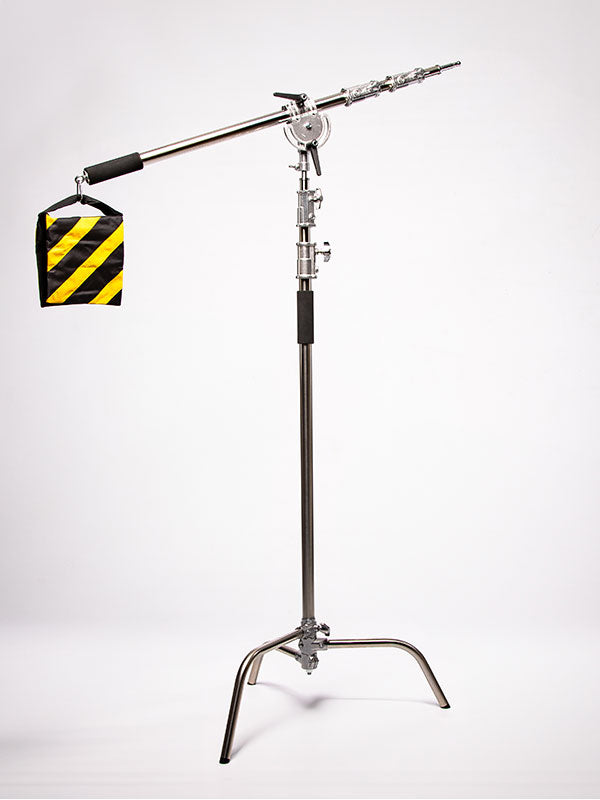
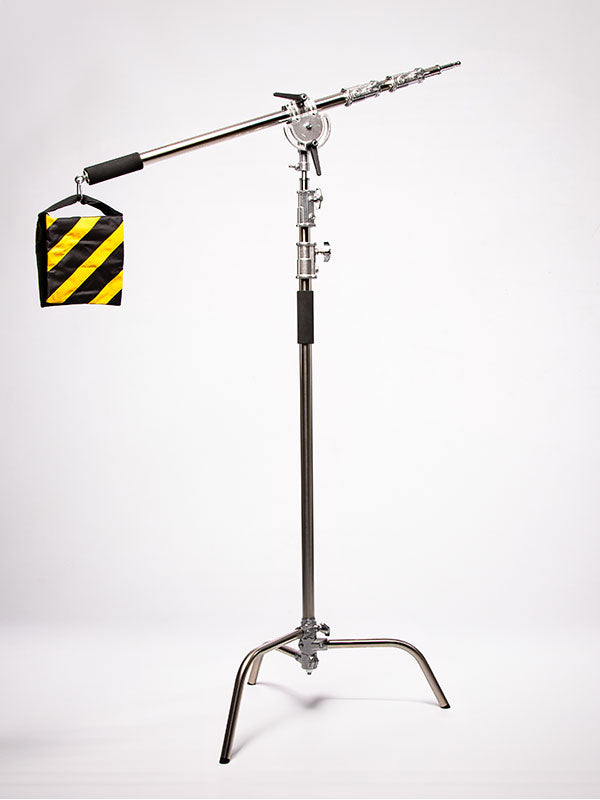
Secure wide backgrounds properly, especially when combining a wall surface with flooring. A dependable support system, weighted stands where appropriate, and a smooth transition at the base of the backdrop keep the set safe and clean in frame. Denny Manufacturing’s broad selection of backdrop materials and studio support options makes it easier to build sets around the way your studio photographs, rather than forcing every session into the same scene.
Before the client arrives, photograph a quick test frame at standing, seated, and reclining height. That simple check reveals glare, scale problems, visible edges, and floor reflections while there is still time to adjust. The best boudoir backdrop is the one that gives your client confidence, gives you posing options, and lets the final image feel intentional from camera to delivery.