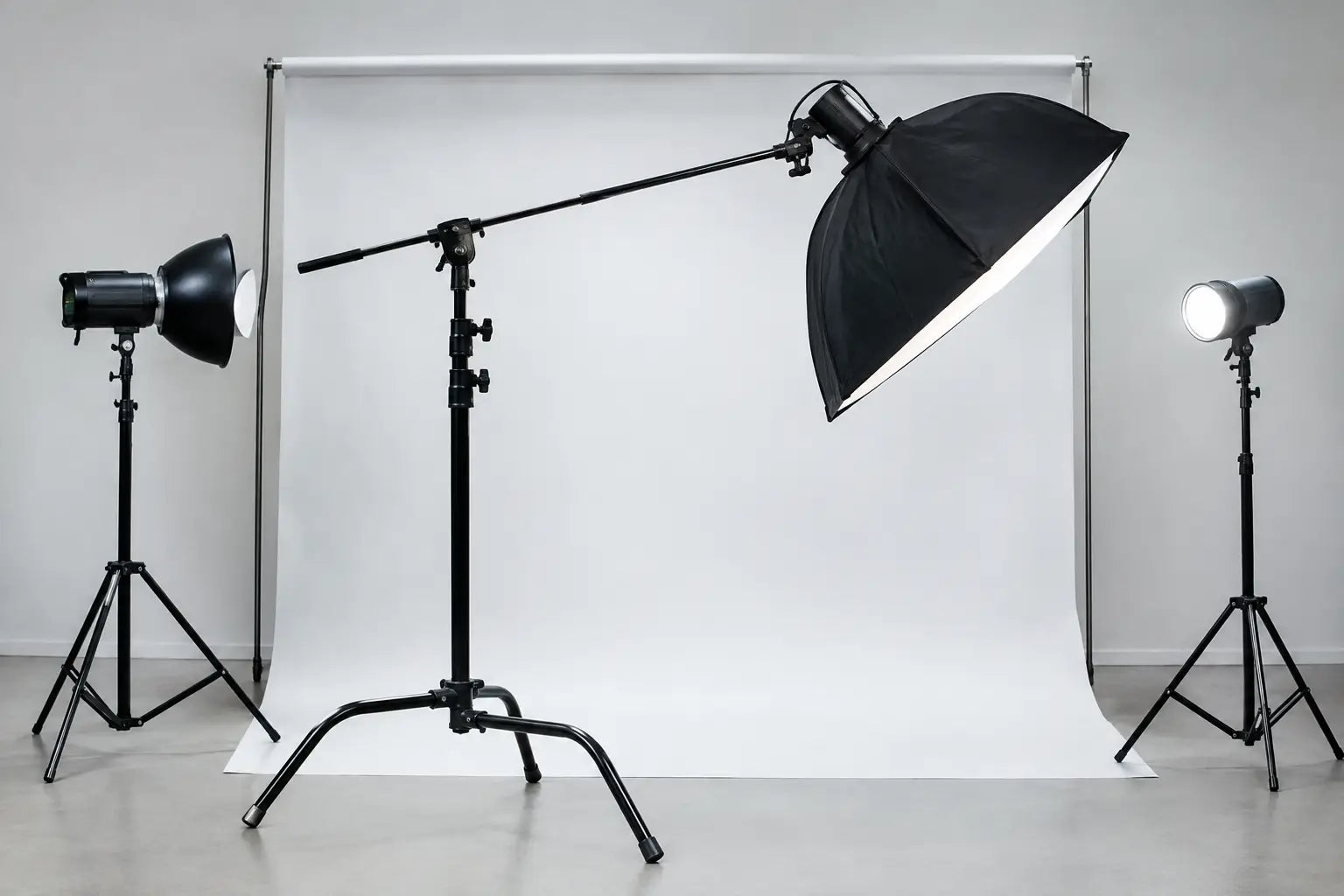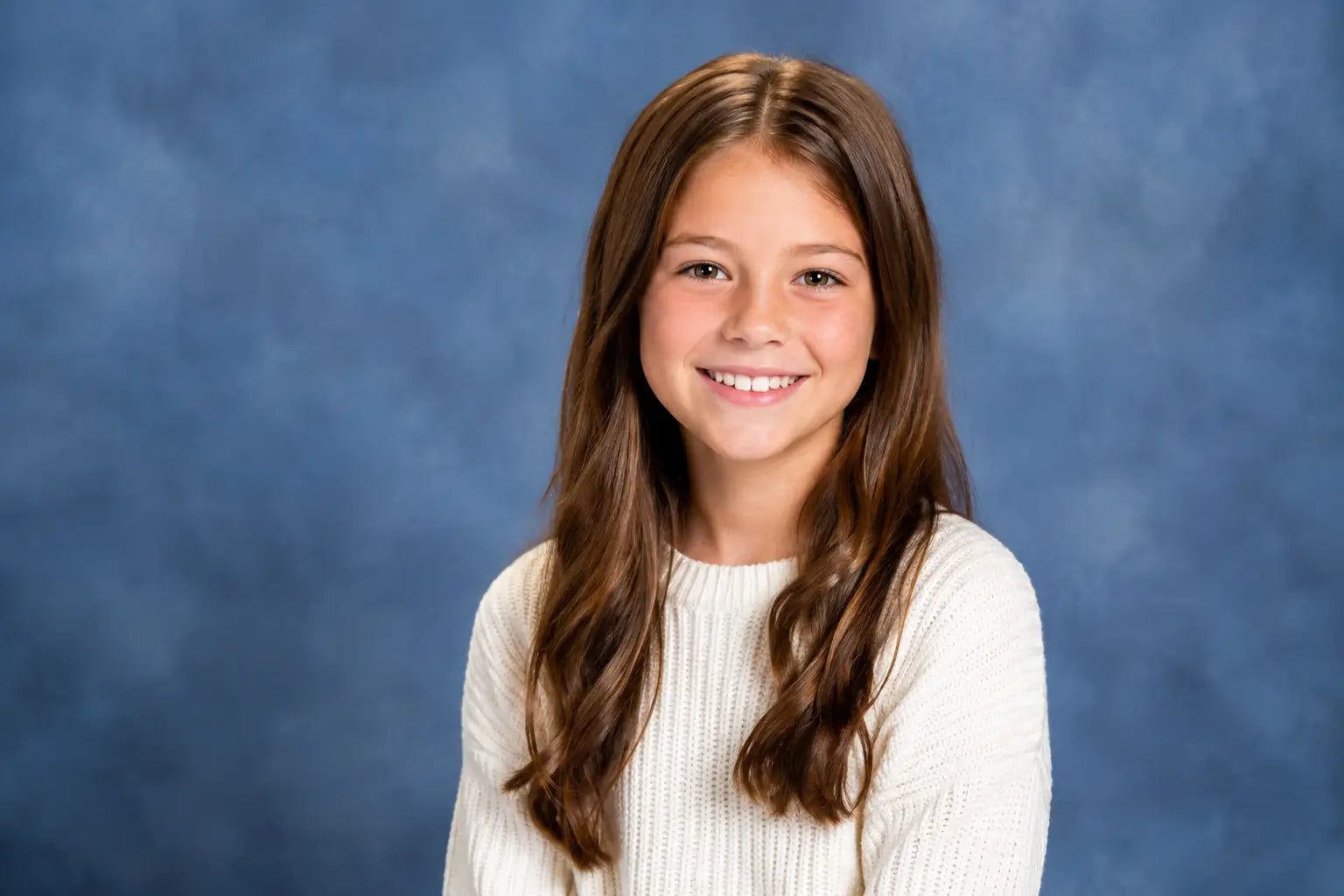



























A backdrop that looks excellent on screen can still slow down a session if the support behind it sags, shifts, or takes too long to assemble. The right backdrop support system gives photographers a clean, secure way to mount backgrounds at the working height and width a set requires. It also protects the backdrop itself from dragging, wrinkling, creasing, and unnecessary wear.
For a permanent portrait studio, the best choice may be very different from the best system for school picture day, a holiday pop-up, or a commercial location shoot. Start with the backdrop material, the maximum width you need to cover, and how often the equipment will move. Those details determine whether portability, load capacity, speed, or floor-to-ceiling coverage should lead the decision.
Start With the Backdrop You Need to Hang
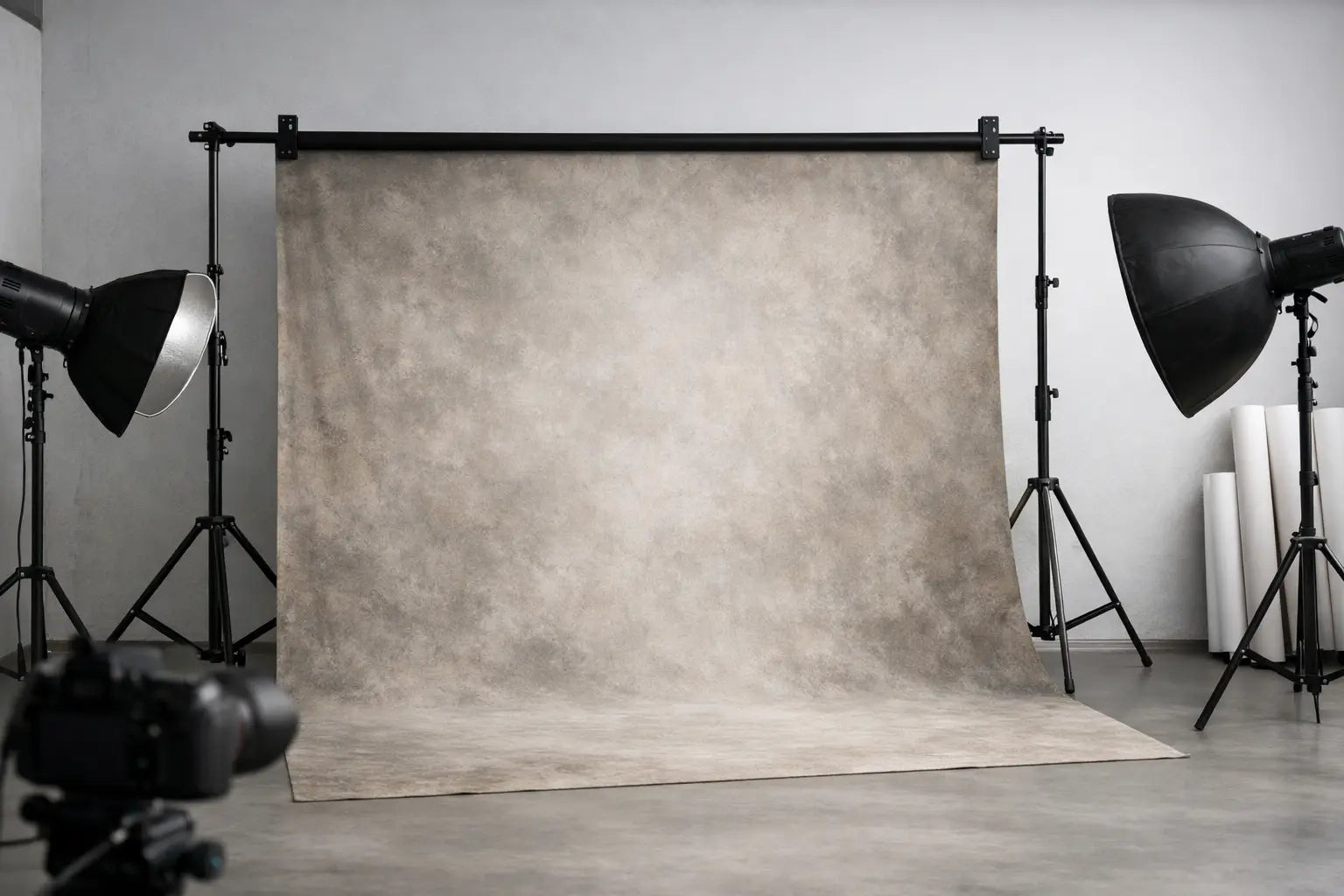
A support system should fit the backdrop, not the other way around. A lightweight muslin or printed fabric backdrop places different demands on a crossbar than a wide canvas, vinyl, or layered set with additional fabric draping. Wider and heavier backgrounds need stronger uprights, a crossbar designed to resist flexing, and a stable footprint that remains secure when the backdrop is pulled taut.
Measure the complete area that must appear in camera, then allow extra width on both sides. This extra material gives you room to position subjects, adjust composition, and crop without exposing the edge of the background. For full-length portraits, also consider the transition from wall to floor. A background may need enough height to reach the floor and enough length to create a natural sweep behind the subject.
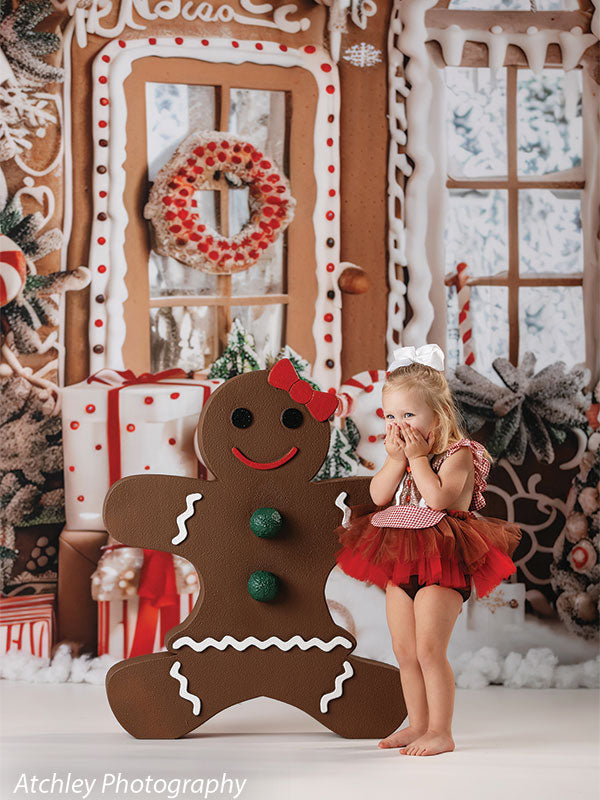
A floor drop can create a convincing wood, tile, stone, concrete, or brick plane without building a permanent set. It works best when the wall backdrop and floor surface are planned together. The support system needs to hold the background high enough for that transition to sit smoothly, without a hard crease or visible gap at the base.
Choose a Backdrop Support System by Working Style
The most useful support system is the one that matches the way you actually photograph. A studio that changes sets once a week has different needs than a photographer loading gear into a vehicle for every session.
Portable crossbar systems
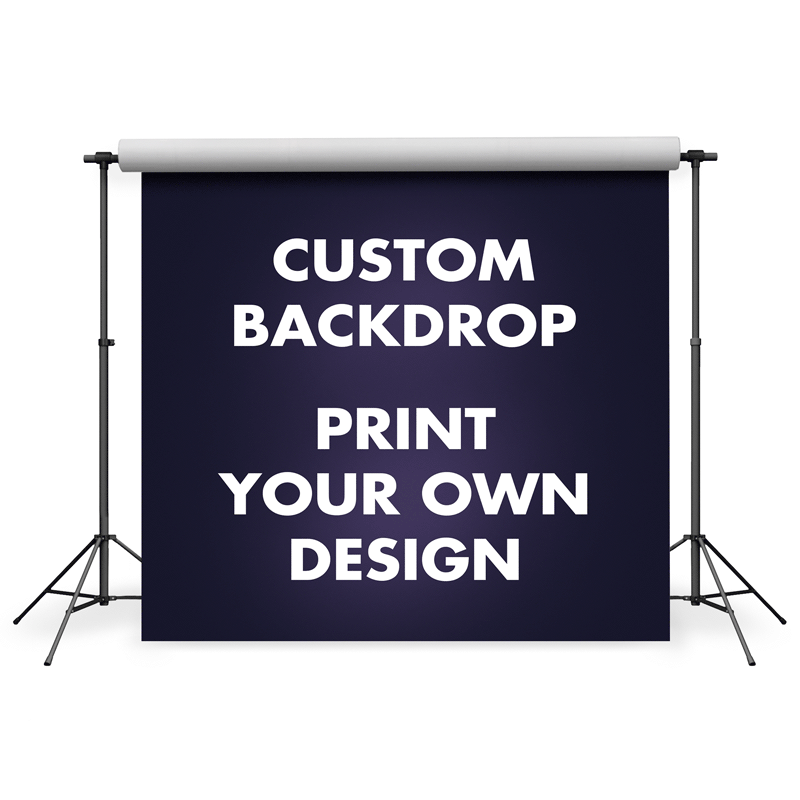
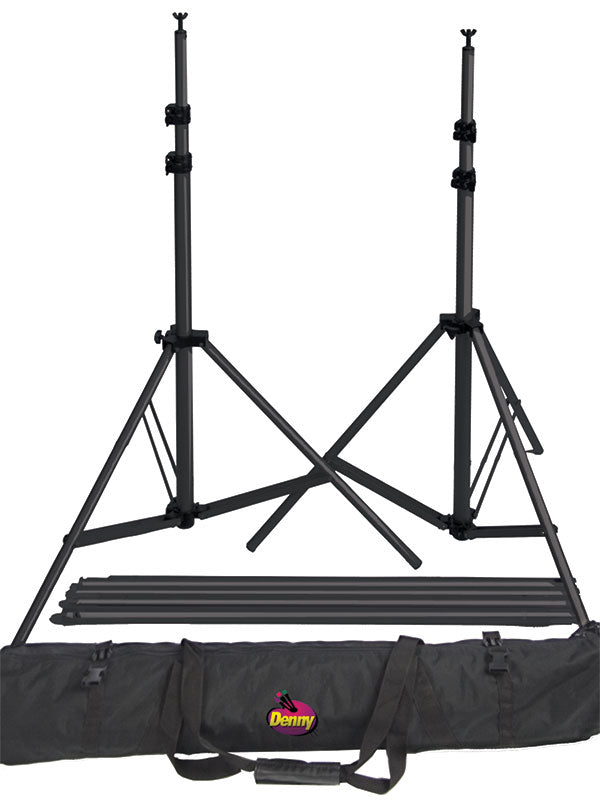
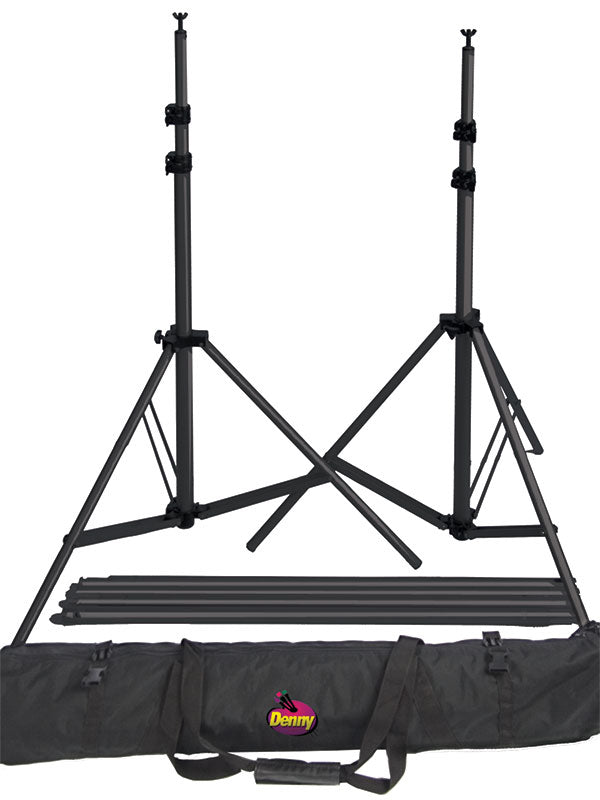
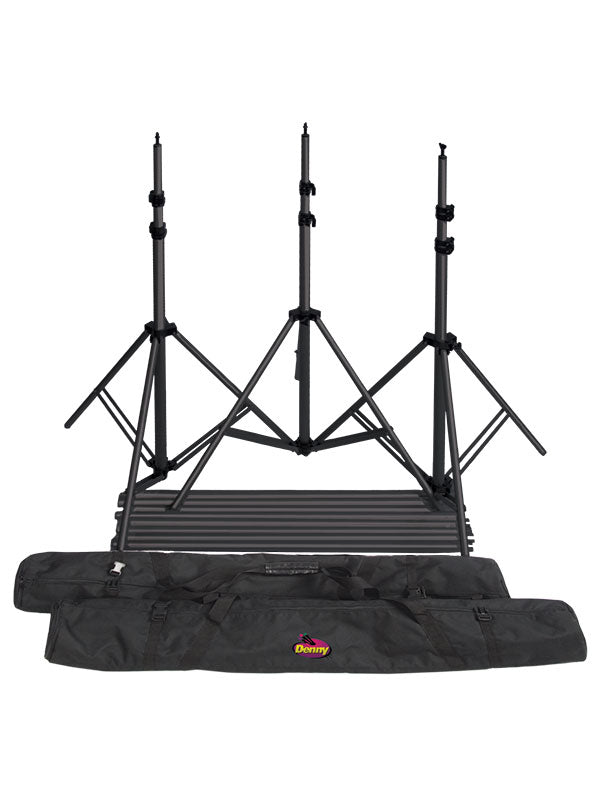
Portable support kits are a practical choice for photographers who work on location, travel for schools or events, or need a flexible setup in a shared studio. They typically use two adjustable stands and a crossbar that breaks down for transport. Assembly is straightforward, and the height can be adjusted to suit seated portraits, standing families, headshots, or product work.
The trade-off is that portable equipment needs careful setup. Extend the legs fully, keep the working area clear, and avoid raising the crossbar higher than necessary. When using a wide backdrop, make sure both stands are evenly positioned and the bar is fully seated. A small amount of flex may be acceptable with lightweight material, but a visible dip through the center will show in a clean background and can complicate editing.
Heavy-duty studio stands and crossbars
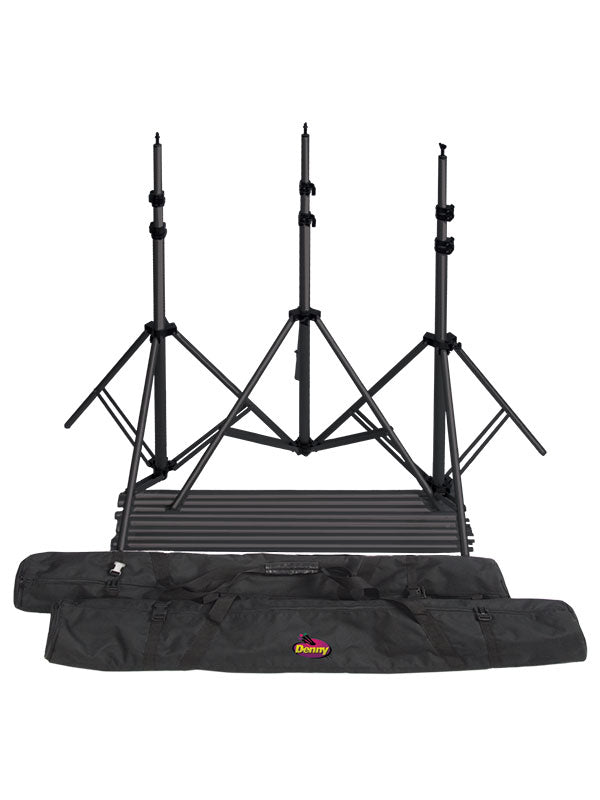
For wide, heavy, or frequently used backdrops, a heavier support configuration provides more confidence. Stronger tubing, larger stand bases, and more substantial locking hardware help the system stay square during long shooting days. This matters when a studio uses large canvas backgrounds, vinyl, full-length fashion sets, or layered fabrics that place more weight across the bar.
Heavy-duty systems take up more storage space and are less convenient for frequent travel. In return, they offer a more stable working platform and make it easier to keep a backdrop smooth and evenly tensioned. For a high-volume studio, that reliability is often worth the larger footprint.
Wall-mounted and roller systems
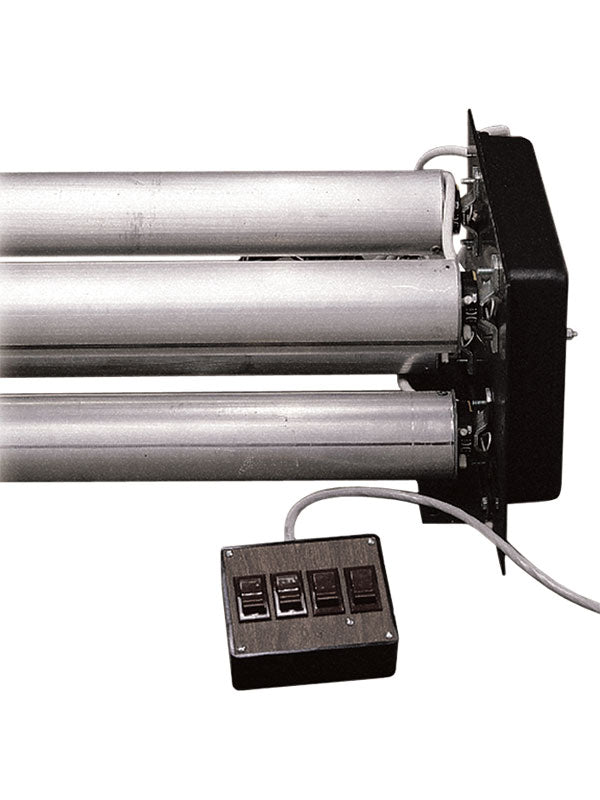
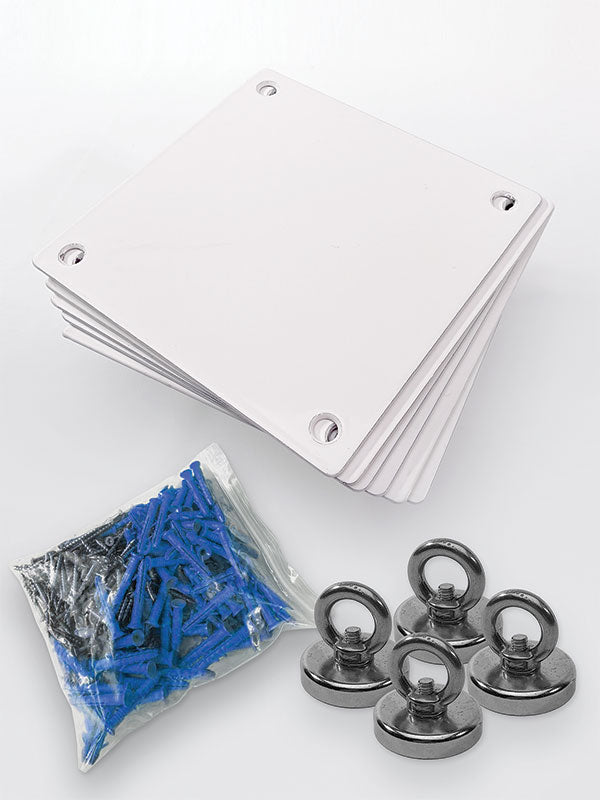
A fixed wall-mounted or roller-style setup is designed for studios that regularly rotate through several backgrounds. Rather than assembling stands for each change, the photographer can keep selected backdrops mounted, raised, and stored in a controlled position. This keeps the shooting area open and reduces setup time between clients.
These systems are especially useful for headshot studios, school portrait operations, commercial spaces, and portrait studios with repeatable set requirements. Installation needs planning. Confirm that the mounting surface can support the load, leave clearance for the width of each backdrop, and account for room needed to lower a background to the floor. A system that is installed too close to a corner or too low for full-length work can limit its usefulness.
Stability Is Part of Image Quality
A backdrop support system is not only an equipment decision. It affects how quickly you can work, how safe the set feels, and how clean the final image looks. An unstable stand can lean into the frame, pull a backdrop off level, or create tension changes that produce wrinkles and uneven edges.
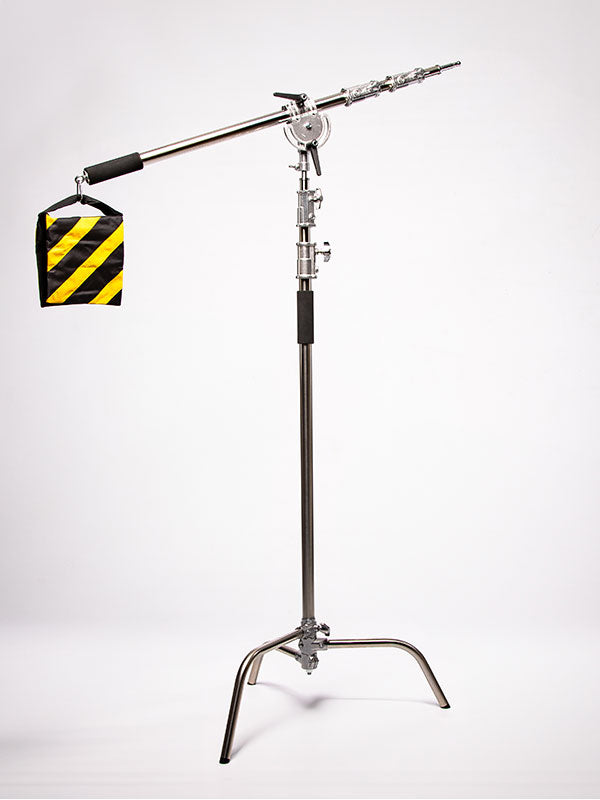
Use sandbags or other appropriate counterweights whenever the setup is tall, wide, outdoors, or placed where people may brush against the stands. This is particularly important for children’s sessions, school photography, pet portraits, and event displays. Keep weight low on the stand legs rather than hanging it high on the uprights.
If the background is exposed to airflow from doors, fans, or air conditioning, secure it before the session begins. Clamps can hold fabric at the sides, while carefully placed weights can help control the lower edge. Avoid pulling so tightly that the material distorts, especially with hand-painted surfaces or printed backdrops where stretched texture can become noticeable in camera.
Never leave a tall, loaded backdrop unattended. A support system should be set up with the same attention you would give a light stand, modifier, or overhead fixture.
Match Hardware to Material and Finish
Fabric backdrops are generally forgiving and easy to clip, drape, or hang through a rod pocket. They can be steamed, stretched gently, and shaped into soft folds when a more dimensional look is needed. Muslin and cloth options are well suited to portable supports because they are easier to handle than rigid or heavy materials.
Canvas and vinyl backgrounds often need more support across the full width. Their weight and surface structure can make a light crossbar bend, particularly on a large setup. Use hardware with adequate load capacity and avoid storing heavy material loosely folded over a narrow bar for extended periods.
Paper backgrounds need a smooth, even roll support to prevent telescoping or edge damage. Keep the roll level, lower only the length needed for the shot, and protect the paper from shoes, heels, moisture, and dirty wheels. If the paper is used as a floor sweep, cut away worn sections between sessions rather than trying to hide marks with excessive retouching.
For backgrounds with a smooth, non-reflective finish, proper hanging helps preserve the visual benefit. A backdrop that photographs true without glare can still show unwanted highlights if it has deep ripples, is bent sharply at the floor transition, or is lit from an extreme angle. Support, positioning, and lighting work together.
Plan for Height, Width, and Subject Movement
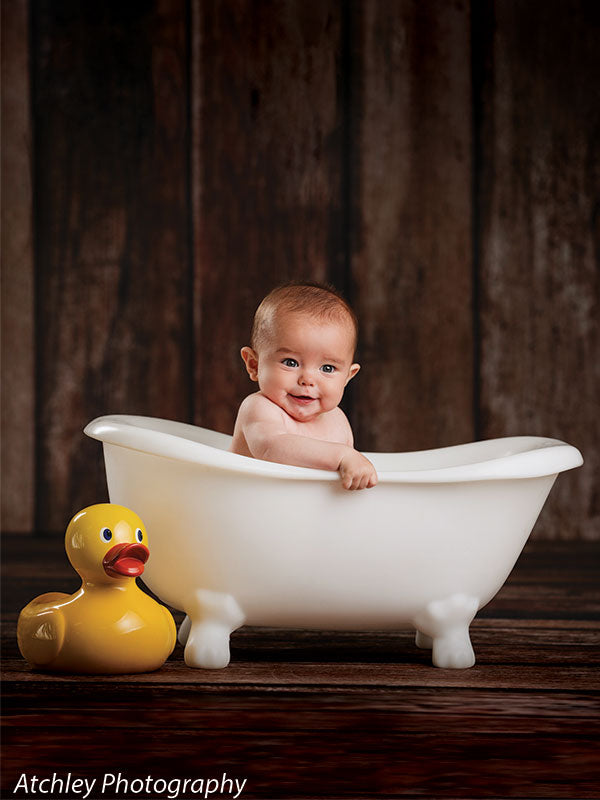
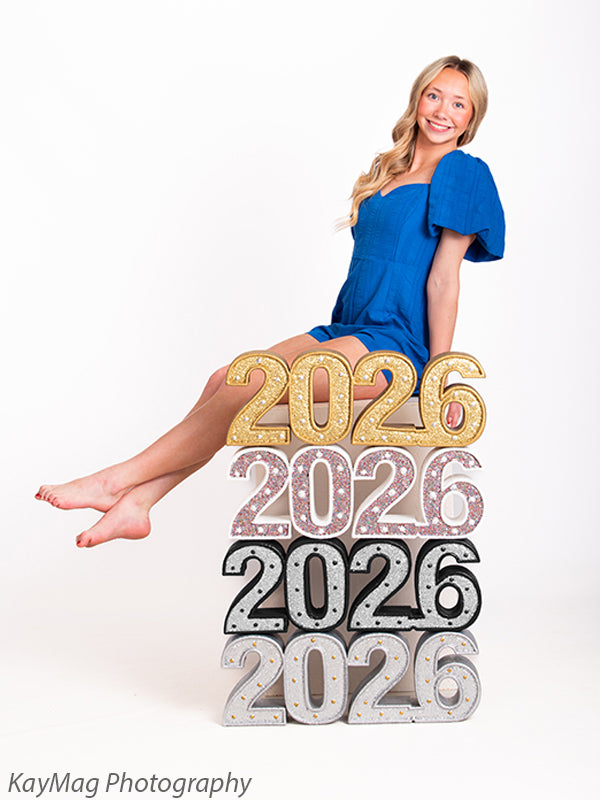
The camera frame is only one part of the space a backdrop must cover. Family portraits require room for groups to shift position. Senior and fashion sessions may need space for movement, stools, chairs, or props. Newborn work often uses a smaller shooting area, but the support must still allow fabric to be shaped securely and safely around the posing setup.
Before choosing equipment, identify your largest routine set. Consider the tallest subject, widest group, and longest floor sweep you photograph. It is usually more efficient to select a system that comfortably handles common work rather than one that reaches the exact minimum dimension only when fully extended.
Also consider ceiling height. A tall support system cannot create more usable background coverage if the crossbar is forced too close to the ceiling. In smaller rooms, a wider backdrop at a moderate height may produce better results than a narrow backdrop raised to its maximum setting.
Make Setup Repeatable
The fastest studios are not necessarily the ones with the least equipment. They are the ones where equipment has a defined place and setup follows a repeatable sequence. Mark common stand positions on the floor when appropriate, keep clamps and counterweights near the support hardware, and store backdrops so the next selection is easy to identify.
For photographers who regularly build themed sets, organize support components with the backdrop category or session kit they serve. A holiday setup, sports portrait station, or branded step-and-repeat display should not require searching for the right crossbar, clamps, or base hardware on the day of the job.
Denny Manufacturing support options are designed to help photographers build complete, dependable sets around the materials and formats they use most. Select the system for the work in front of you, set it up with stability in mind, and your backdrop can stay where it belongs: clean, smooth, and ready for the next frame.
A well-supported background lets the session move at the pace of the photographer, not the equipment.