

























A background can look excellent on a monitor and still create extra work once lights, lenses, children, pets, or a full-length pose enter the set. The practical question in canvas vs vinyl backgrounds is not which material is universally better. It is which one supports the way you photograph, the subjects you book, and the finish you need to deliver straight from camera.
Canvas and vinyl each have a clear place in a working studio. One brings physical texture and a classic painted surface; the other delivers a smooth, cleanable printed option that is easy to rotate through themed sessions. Choosing well starts with understanding how each material behaves under studio conditions.
Canvas vs Vinyl Backgrounds: The Core Difference
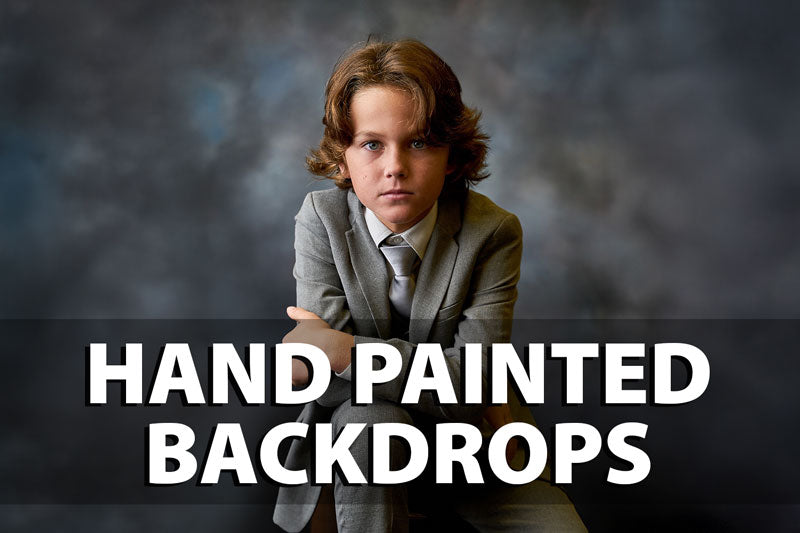
Canvas backgrounds are fabric-based surfaces, often hand-painted or finished to create layered color, tonal variation, and visible depth. Their appeal is physical as much as visual. A canvas surface can hold soft transitions, painterly detail, and subtle irregularities that give a portrait dimension without looking busy.
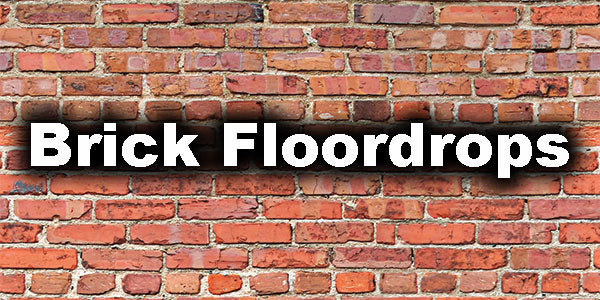
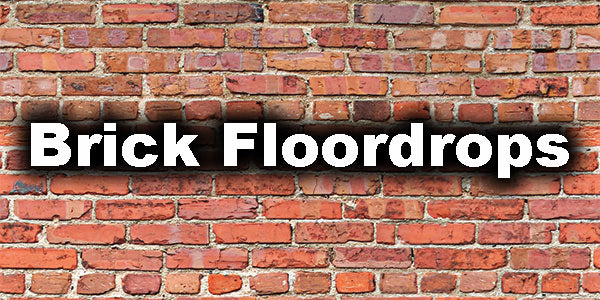
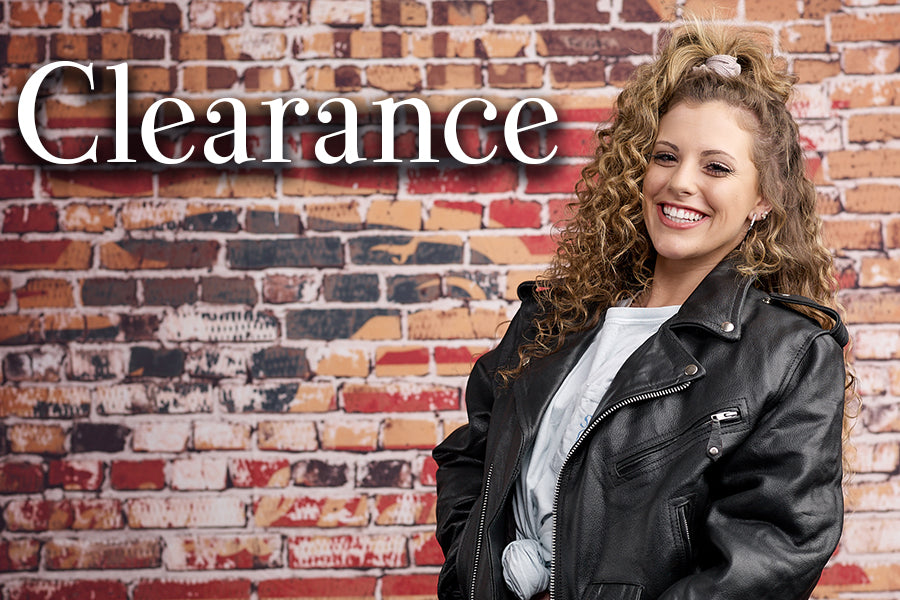
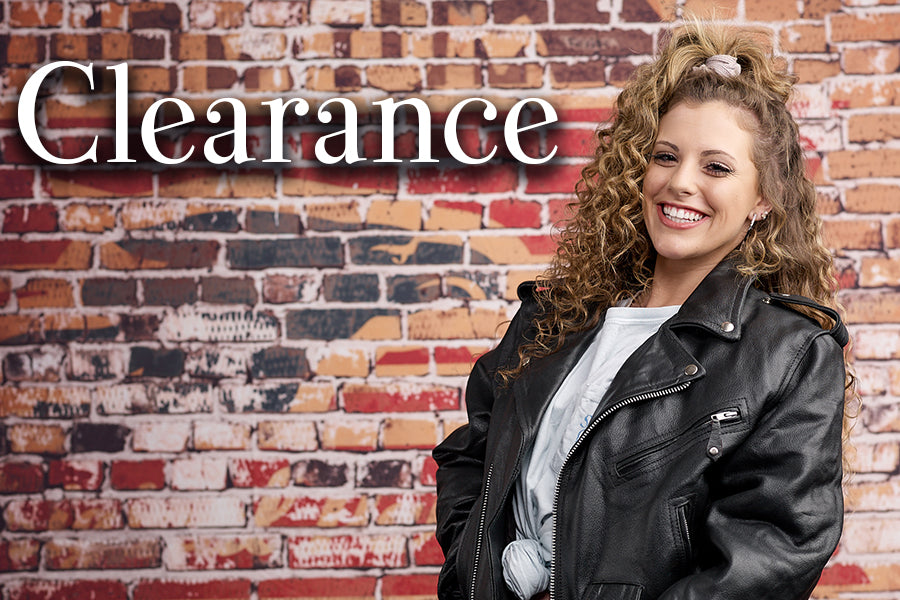
Vinyl backgrounds use a printed image or design on a durable, wipeable material. They are especially useful when a session calls for a distinct setting, such as weathered wood, brick, seasonal decor, a school-themed scene, or a graphic color treatment. A well-produced vinyl print gives photographers repeatable detail without building a permanent set.
The camera may show both as convincing backgrounds, but their handling and light response are different. That difference affects your setup time, modifier placement, posing options, and retouching workload.
When Canvas Is the Better Studio Choice
Canvas is a strong choice when texture needs to feel understated and natural. The material is particularly effective for fine-art portraits, seniors, family sessions, maternity work, boudoir, and headshots where the background should support the subject rather than announce itself. Hand-painted canvas can produce depth that remains soft even when photographed close to the subject.
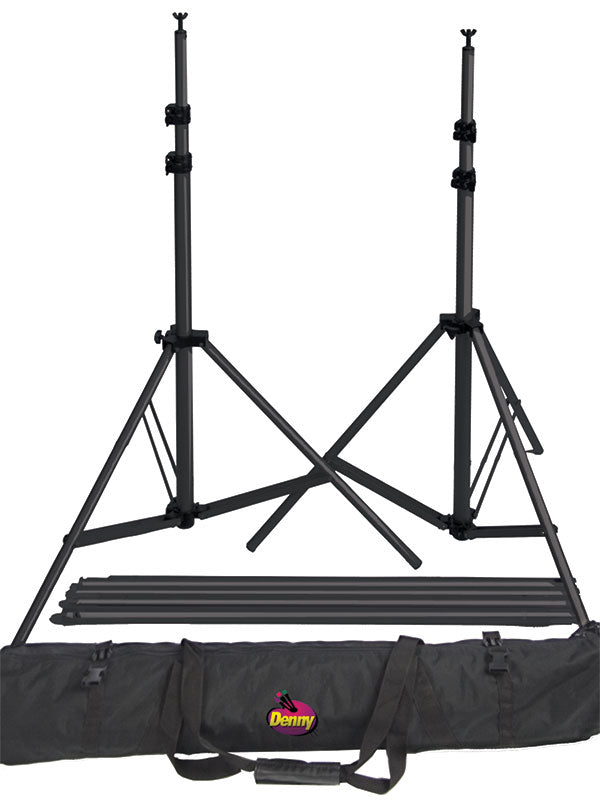
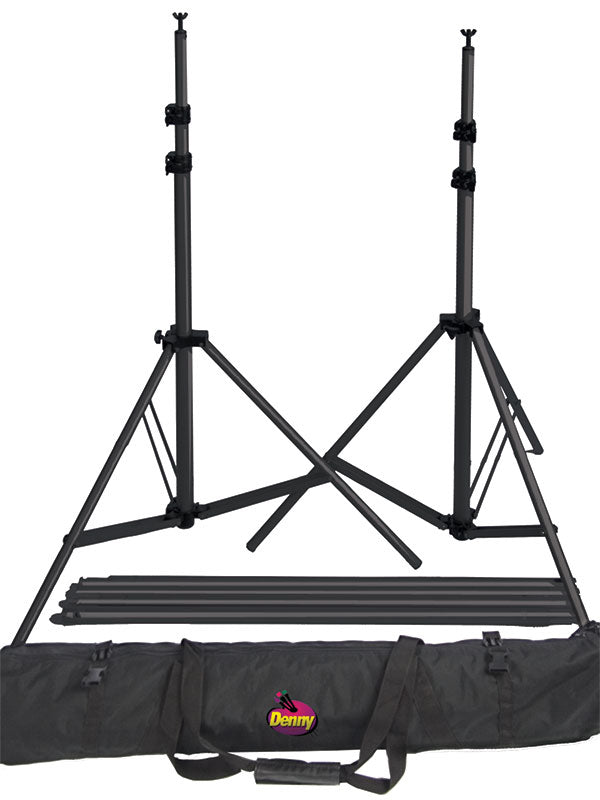
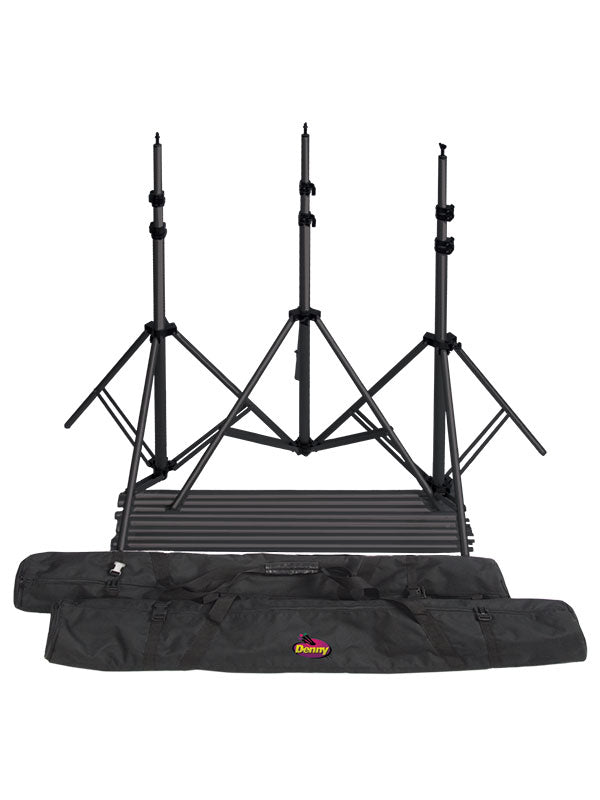
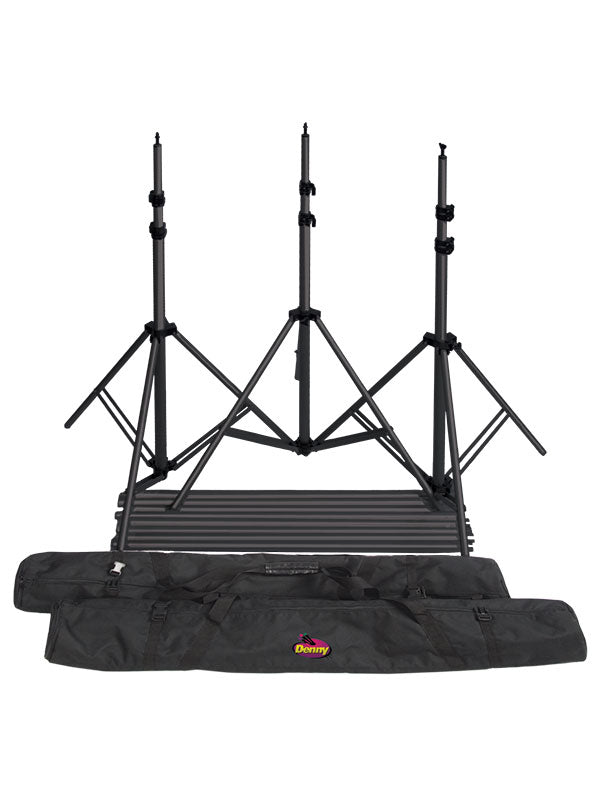
Its weight and body are advantages in a permanent or semi-permanent studio. Canvas hangs with a substantial drape, resists the thin, flat appearance some printed materials can create, and works well with traditional background stands, crossbars, and roller systems. Once installed correctly, it creates a dependable shooting surface for repeated sessions.
Canvas also responds beautifully to controlled, directional light. Its texture can remain visible without becoming distracting, particularly when the background is kept far enough behind the subject. With broad, soft portrait lighting, painted color shifts often photograph as gradual falloff rather than obvious patterning.
That said, canvas is not the most casual grab-and-go option. Larger pieces require more storage space and more deliberate handling. They can also show folds or creases if stored improperly. For a studio that regularly changes sets between sessions, the material's weight may be a factor. It rewards organized storage and a dedicated support system.
Canvas for portraits that need visual depth
Choose canvas when the desired effect is timeless, refined, or painterly. A charcoal, old-master brown, muted blue, or softly mottled neutral can serve multiple portrait genres without pulling attention from wardrobe and expression. This flexibility makes canvas especially useful for photographers who want one background to carry a variety of looks with changes in lighting, lens choice, and subject placement.
Canvas is also a practical fit when clients will be photographed near the background. Its surface detail tends to feel more believable at closer distances than a highly detailed print, provided the paint treatment and lighting are appropriate for the scene.
When Vinyl Makes More Sense
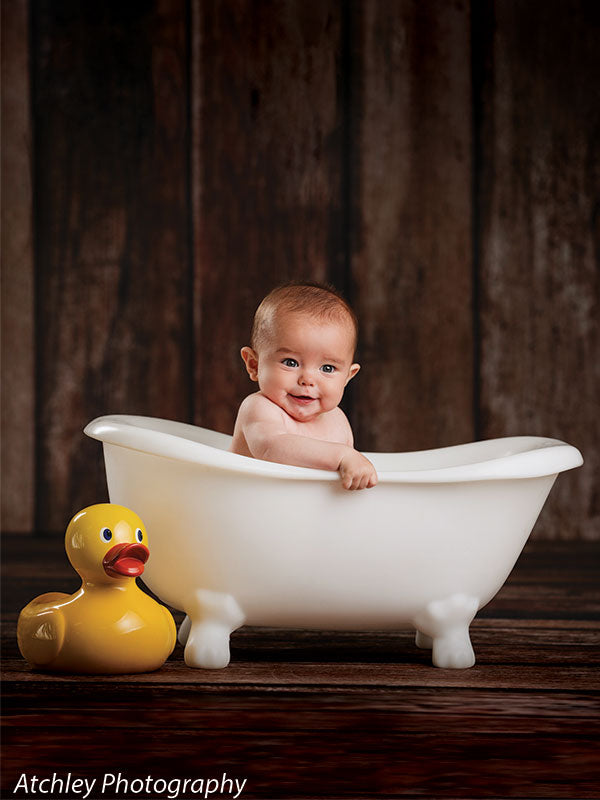
Vinyl is built for studios that need visual variety with a straightforward setup. It is often the better material for children, cake smash, holiday, school, sports, and themed portrait work, where the set may change often and the background itself contributes to the story. Printed designs can create a complete environment without sourcing walls, flooring, furniture, or seasonal decorations for every session.
The wipeable surface is a major operational advantage. Sticky fingers, cake frosting, muddy shoes, and small spills are realities of high-energy sessions. A vinyl background can be cleaned more easily than many fabric options, helping photographers reset the set between appointments without treating every mark as a studio emergency.
Vinyl also works well for compact studios and on-location photographers. It rolls for storage, is relatively simple to transport, and can be clipped or mounted quickly to a support system. For photographers who need several seasonal looks in a limited footprint, it is an efficient way to organize a broad visual inventory.
Its main consideration is reflectivity. Quality vinyl backgrounds are designed for photographic use, but any smooth surface can catch a hot light, window reflection, or poorly controlled modifier. Light placement matters. Keep the background lighting soft and angled, flag direct reflections when necessary, and avoid placing a bare or focused source where it will bounce straight back toward the camera.
Vinyl for high-turnover and themed sessions
A printed vinyl surface earns its place when the design must be specific. A realistic shiplap wall, floral corner, classroom scene, festive room, or textured concrete look can photograph true without requiring construction. It can also help establish a consistent seasonal offering from one year to the next.
For full-body portraits, consider whether the background needs a matching floor treatment. A backdrop alone may create a visible horizon or disconnect between the wall and the ground. Coordinating a non-reflective floor drop can extend the scene under the subject's feet and create a more convincing plane in camera.
How Light Changes the Result
Material selection should follow your lighting style, not just the thumbnail image. Canvas generally gives you more forgiveness with broad lighting because its textured, matte surface diffuses light. It is a natural partner for large softboxes, umbrellas, and feathered key light. You can light it evenly for a clean studio result or allow it to fall into shadow for more separation.
Vinyl benefits from intentional angle control. Start by positioning the subject several feet in front of the background, then use the key light to favor the subject rather than flood the entire set. If a reflection appears, change the angle of the light or camera before increasing power. A small adjustment in height or direction is often more effective than trying to correct a highlight later.
For either material, subject-to-background distance is one of the most useful controls available. More distance can soften background detail, reduce shadow spill, and create stronger separation at wider apertures. Less distance can make texture more present and can be useful when you want the background to read as part of the portrait.
Storage, Care, and Daily Handling
Canvas should be stored clean and dry, ideally rolled around a sturdy core rather than sharply folded. Avoid stacking heavy equipment on top of a rolled canvas, and allow it to acclimate if it has been transported through extreme temperatures. If minor wrinkles appear, hang the canvas and let gravity relax the material before the session whenever possible.
Vinyl should also be rolled rather than folded. Keep the printed side protected from abrasive surfaces, and clean it with methods appropriate for the specific finish. After a messy session, remove residue promptly and let the surface dry before rolling it back up. This helps preserve print detail and prevents transfer between layers.
Both materials benefit from labeled storage. Organize backgrounds by size, orientation, color family, or session type so the right surface is available when the studio schedule changes quickly. This simple practice protects the material and shortens setup time.
Choose by the Work You Need It to Do
If your work centers on polished portraiture, subtle texture, and flexible fine-art color, canvas is likely to become a foundational studio surface. If you regularly produce themed sets, photograph active children, or need a cleanable backdrop that brings a specific scene to life, vinyl is often the more practical tool.
Many working photographers keep both because they solve different production problems. Canvas provides an enduring portrait environment. Vinyl supplies fast, specialized visual range. Build your collection around the sessions you photograph most often, then test each new background under your own lights before a client arrives. The best material is the one that lets you spend less time managing the set and more time directing the person in front of it.


