


































A cream seamless background can photograph soft and refined for a newborn session, then look thin and wrinkled under the same lights when used for a full-length family portrait. That is why backdrop fabric selection should begin with the way you shoot, not simply the color or printed design you need. The right material helps subjects separate cleanly from the background, controls unwanted glare, supports the scale of the set, and reduces time spent correcting folds, shine, or uneven texture after the session.
For working studios, a backdrop is part of the lighting system and part of the client experience. It needs to hang correctly, travel when necessary, photograph true under your preferred modifiers, and hold up to the pace of your booking calendar.
Start Backdrop Fabric Selection With the Session
The first question is not which material is best overall. It is what the backdrop must do in a particular setup. A close-up child portrait, a standing senior session, a product shoot, and a holiday mini session create different demands for width, surface finish, texture, and durability.
For headshots and seated portraits, a lighter fabric can be practical because the background occupies less of the frame and can be positioned close behind the subject. Full-length work requires more coverage and a material that stays visually consistent across a larger area. If clients will sit, kneel, or place children on the set, consider how the backdrop performs where it meets the floor. A coordinated floor drop with a non-reflective finish can create a believable plane without the shine that makes a set look artificial.
Printed scenes also require a different decision than solid colors. A realistic brick wall, wood plank, concrete, tile, or seasonal setting needs detail that remains natural at the camera distance you use. Fine patterning can look convincing from six feet away but become distracting when a subject is positioned close to it. Match the scale of the print to your focal length, subject size, and typical crop.
Common Backdrop Materials and Their Strengths
Muslin for a Soft, Traditional Studio Look
Muslin remains a practical choice for portrait photographers who want a lightweight fabric surface with a classic studio character. It works especially well for draped color, simple painted looks, and setups where a little natural variation supports the mood of the image. A muslin backdrop can be easy to handle and compact to store, making it useful for home studios and location photographers.
The trade-off is that muslin can wrinkle and may show those wrinkles under directional lighting. This is not always a flaw. For some fine-art, children’s, or casual portrait work, the texture adds visual depth. When a cleaner field is required, use even background lighting, keep the fabric pulled smoothly across the support, and position the subject far enough forward to limit shadow transfer.
Canvas for Weight, Texture, and Painted Depth
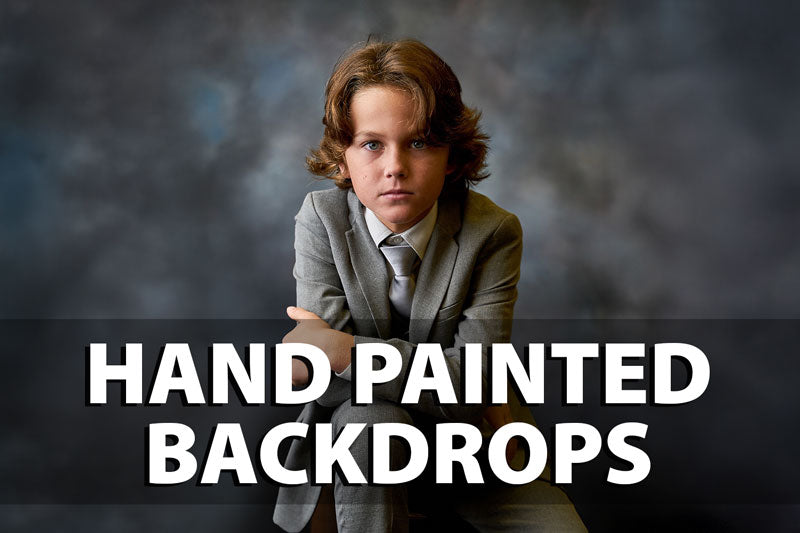
Canvas is often chosen when the background itself needs to carry visual presence. Its heavier body hangs with authority and supports the dimensional look associated with hand-painted backdrops. The natural texture detail can add depth behind a subject without requiring a heavily styled set.
This material is well suited to studio portraiture, senior work, editorial images, and controlled commercial sessions where the backdrop will remain installed for extended periods. The same weight that makes canvas stable can make it less convenient for frequent travel or quick changes. Plan for a reliable support system and enough storage space to protect the surface between uses.
Cloth Backdrops for Versatility and Portability
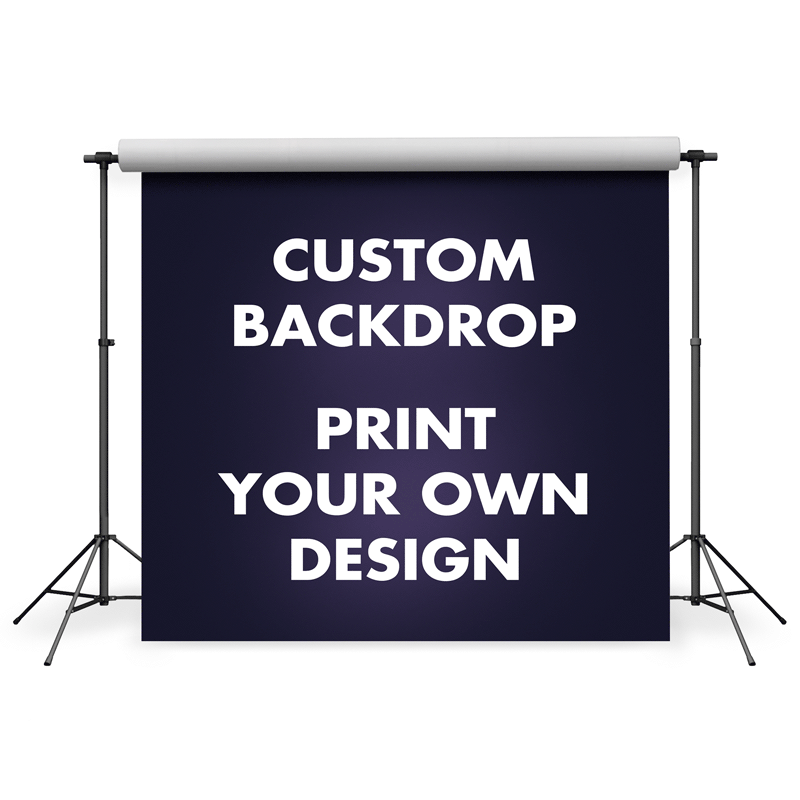
Printed cloth backdrops offer a wide range of scene options in a format that is generally manageable for regular setup and takedown. They are useful for seasonal sets, school portraits, children’s photography, themed sessions, and portrait environments that need to change often. A smooth, non-reflective finish is particularly valuable when photographing with broad softboxes, umbrellas, or bounced light.
Look closely at how the image is printed and how the fabric photographs under your normal lighting. A backdrop can appear rich on a screen yet lose contrast if it is overlit, or show a slight sheen when a light is placed too close to its surface. Test new materials with the modifiers and exposure range you use for client work before relying on them for a high-volume session day.
Vinyl for Active Sets and Easy Cleanup
Vinyl is a strong option when the set will see shoes, props, pets, cake smash sessions, or frequent handling. It is especially useful as a photography floor because the surface can replicate wood, stone, brick, or tile while providing a practical, easy-care work area. The best vinyl floor drops photograph true without glare, helping the floor read as a real part of the scene rather than a glossy printed sheet.
Vinyl can be heavier and less compact than cloth, depending on its size and construction. It also benefits from thoughtful lighting placement. Keep direct light from striking the surface at a sharp angle, especially when using darker floor patterns. A slight adjustment to light height or subject position can remove a distracting reflection before it reaches the camera.
Paper for Clean Color and Fast Changes
Seamless paper is a proven studio material for clean, solid-color backgrounds. It is ideal for headshots, fashion, product work, school portraits, and any session where a simple, uninterrupted color field is the goal. When used on a roller system or secure crossbar, paper delivers a smooth background with minimal texture and no visible fabric weave.
Its limitation is durability at floor level. Once it has been walked on, creased, or marked, advance to a fresh section for the cleanest result. For sessions that require a floor and background in the same color, paper can work well with careful client direction and a plan to trim the used portion after the shoot.
Match Surface Finish to Your Lighting Style
Material selection is only half of the decision. Surface finish determines how forgiving that backdrop will be under light. Matte and non-reflective surfaces are usually the most flexible choice because they reduce hotspots and preserve printed detail. They are especially useful for flash photography, high-key portraits, and sets with multiple light sources.
A textured or painted surface may need less separate background light because it already contains tonal variation. A smooth solid backdrop may need more controlled lighting to create the gradient or separation you want. Neither approach is inherently better. The correct choice depends on whether the background should remain quiet or become part of the visual story.
Pay attention to subject distance as well. Moving a client farther from the backdrop reduces shadows, makes it easier to control background brightness, and can soften distracting texture. Bringing the subject closer can create intimacy and preserve set depth, but it demands more careful light control.
Choose the Right Size and Support Method
A backdrop that is too narrow creates more work than it saves. For full-length portraits, allow enough width to accommodate posing changes, family groups, and a slight crop without revealing the studio edge. Height matters when photographing tall subjects, using stools, or framing vertical images with room above the head.
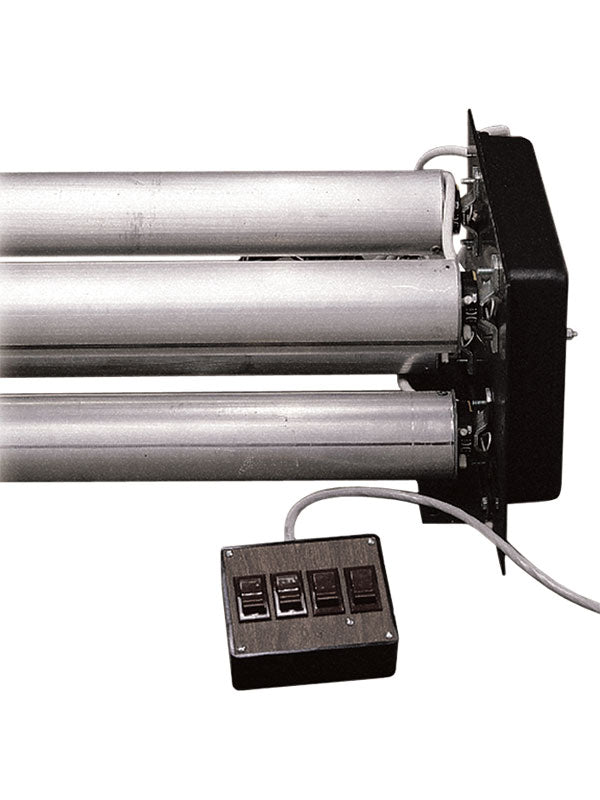
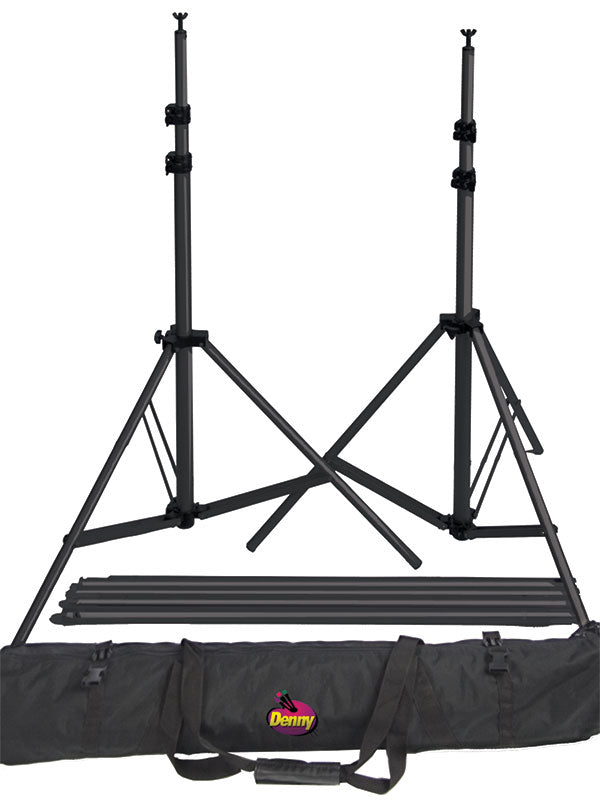
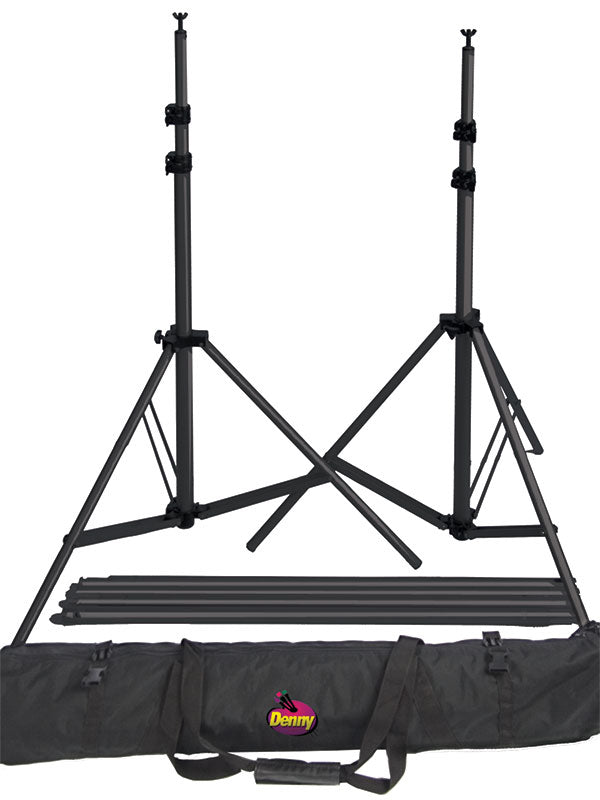
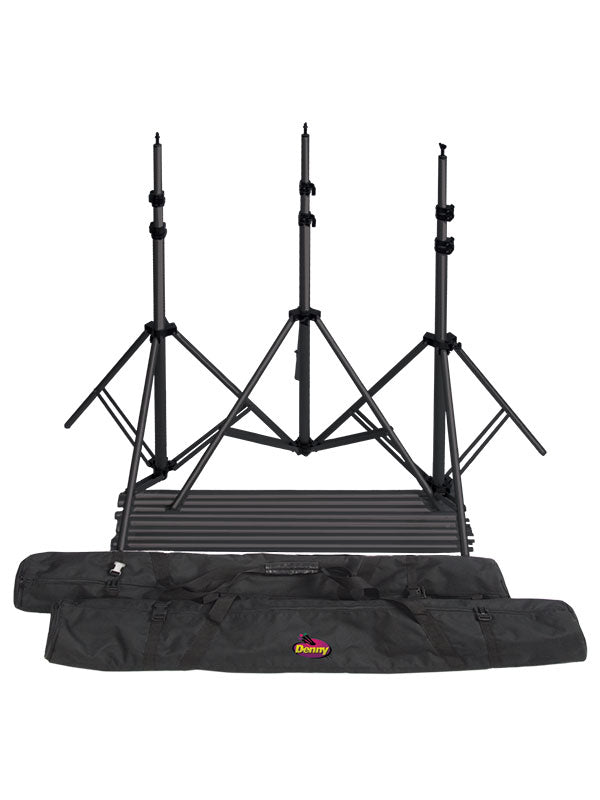
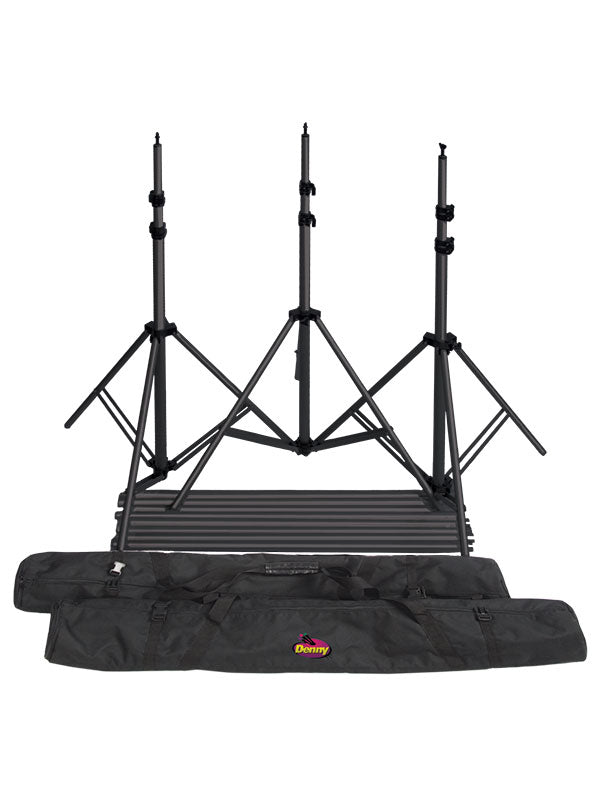
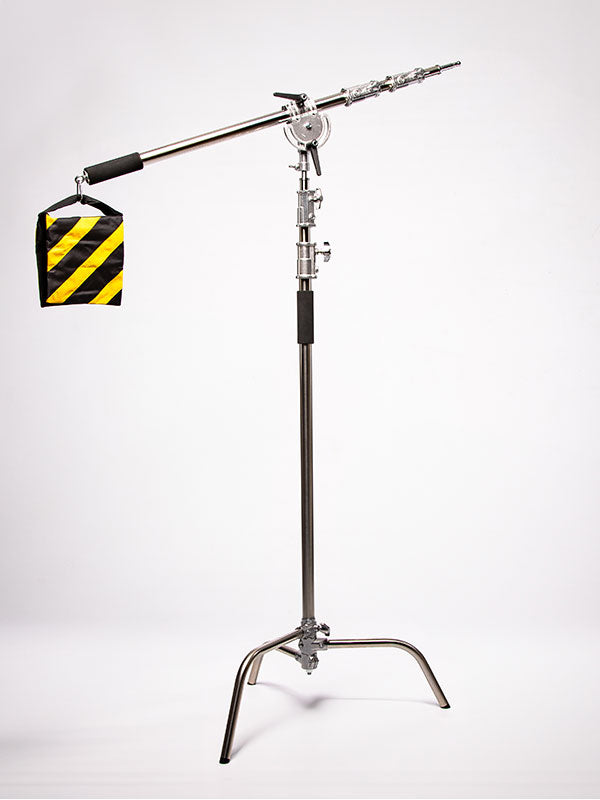
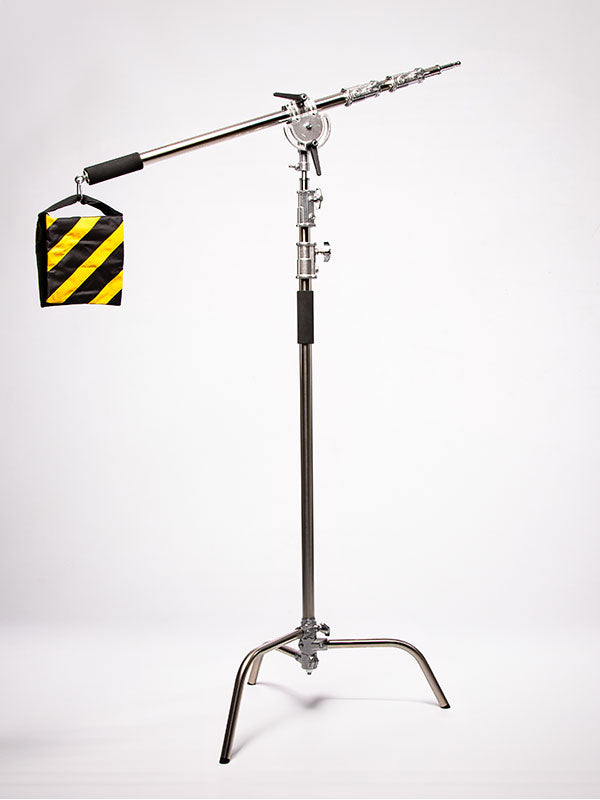
Your support system should match the material’s weight and intended use. Lightweight collapsible backgrounds are efficient for quick portraits and small spaces. Wider cloth, canvas, or vinyl drops need a stable crossbar or studio support that keeps the material level and minimizes sagging. For regularly used seamless paper, a roller system provides clean changes and keeps multiple colors organized and ready.
If you work on location, consider setup time, vehicle space, and how the backdrop will be secured in unfamiliar environments. If you work from a fixed studio, prioritize a system that supports repeated use without constant re-rigging. A dependable support is not just equipment behind the scenes. It protects the clean lines and professional finish clients see in every image.
Build a Working Backdrop Collection
A useful collection does not need to include every material in every color. Start with the backdrops that solve your most frequent session needs: a clean solid, a versatile textured option, a realistic floor surface, and a few designs aligned with your seasonal or specialty work. Newborn photographers may prioritize soft neutrals and gentle texture, while sports and school photographers may need broad, durable branded environments. Commercial photographers may require smooth color control alongside realistic architectural or flooring surfaces.
As your work expands, add materials for the jobs that repeatedly demand extra editing or complicated set construction. The most effective backdrop earns its place by helping you create the intended image faster, with clean edges, natural texture, and reliable performance under your lights. Choose fabric with the final frame in mind, then give it the support and lighting it needs to do its job well.


