



























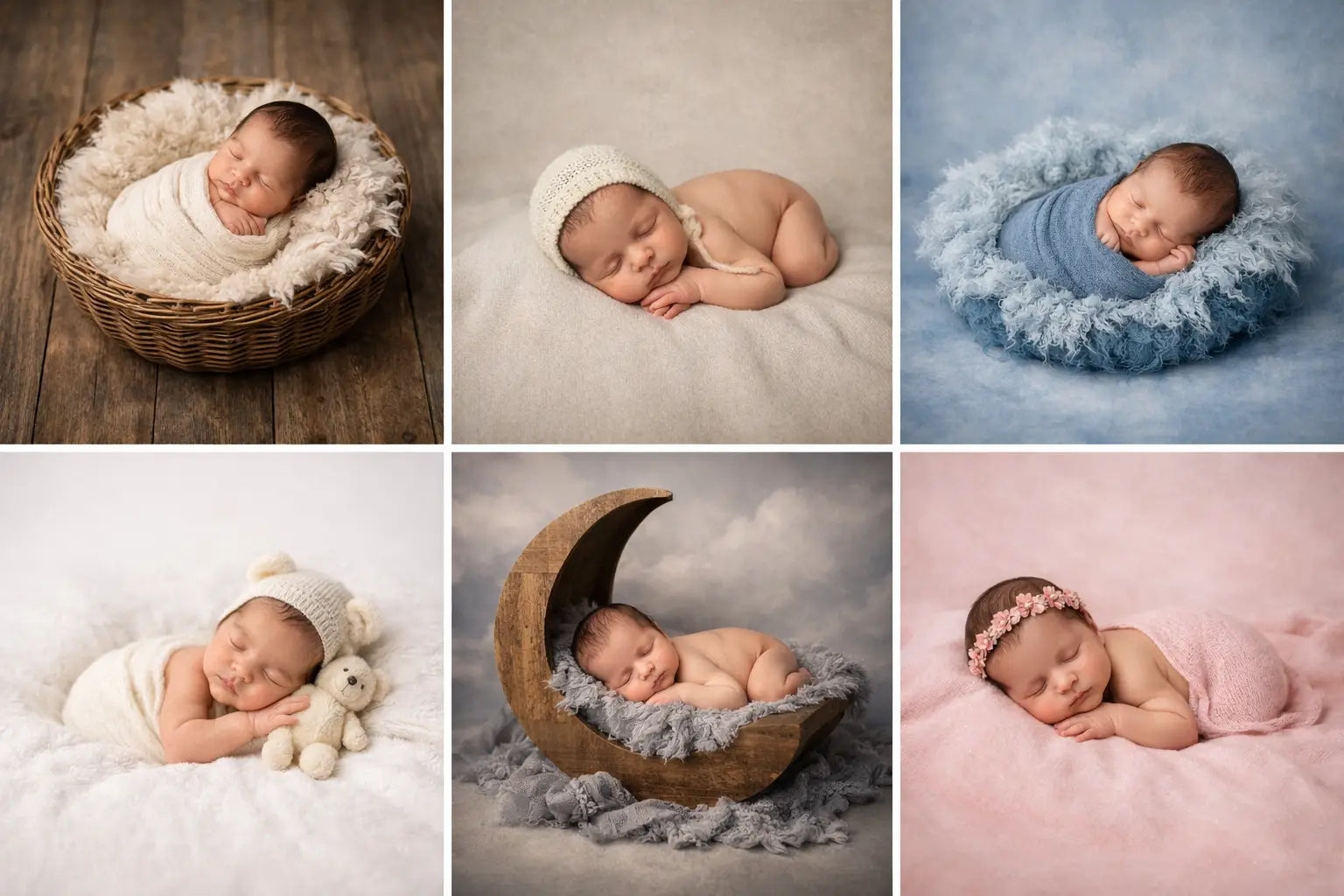

A newborn session can fall apart visually long before the baby is posed. A backdrop that wrinkles heavily, reflects a softbox, looks oversized behind a tiny subject, or clashes with skin tone creates editing work that should never have reached the camera. The best backdrop for newborn photography is one that supports a calm, controlled set while giving the final image believable texture, soft color, and a clean separation between baby and background.
For working newborn photographers, there is no single material or design that wins in every setup. The right choice depends on whether you are photographing wrapped poses on a beanbag, parent-and-baby portraits, prop-based composites, or a full-length family session. Start with the image you need to make, then choose a backdrop that performs reliably under your lights and workflow.
What Is the Best Backdrop for Newborn Photography?
For most newborn work, a matte fabric backdrop in a muted solid color or subtle painterly design is the most versatile starting point. It photographs softly, can be draped around a posing surface, and avoids the hard shine that can appear on glossier materials. A neutral cloth background also keeps attention on the baby rather than competing with wraps, bonnets, props, or a parent’s wardrobe.
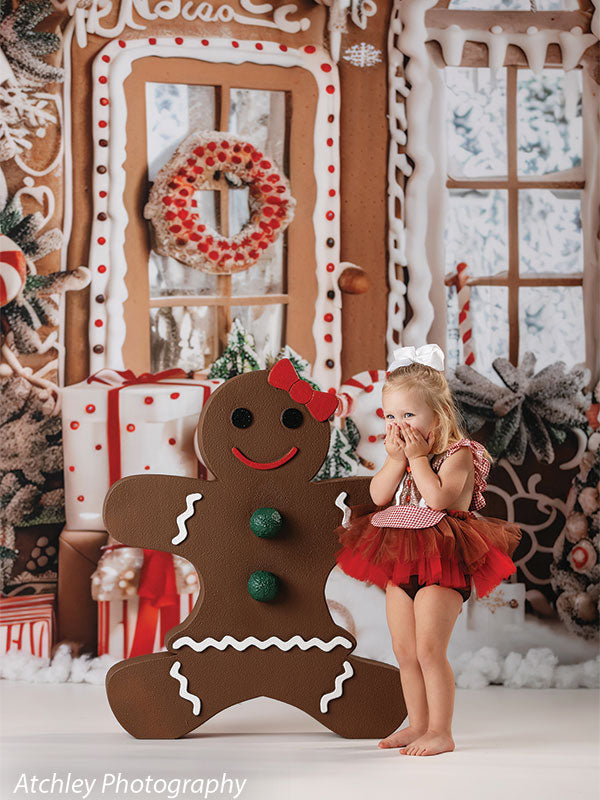
That said, the best backdrop for newborn photography changes with the shot. A printed floor drop may be the stronger option for a styled bed, crate, or basket scene. A hand-painted canvas can create the dimensional, fine-art finish needed for posed portraits. A seamless paper roll can be efficient for clean parent portraits when the session calls for a simple studio look.
The practical goal is not to own every material. It is to build a small, dependable backdrop selection that covers your most frequent poses, colors, and lighting conditions.
Choose Material Based on How You Pose
Stretch fabric for beanbag and wrapped setups
Stretch fabric is a strong choice when the backdrop needs to flow from a backdrop stand down over a beanbag or posing table. The material can be pulled smooth, clipped securely, and shaped into a continuous surface behind the baby. That smooth transition is especially useful for wrapped poses, close crops, and images where you want the baby to appear surrounded by one consistent color.
Look for a matte finish and enough density to prevent the support system or wall color from showing through. Pale fabrics can become translucent if they are strongly backlit, so test them with your usual lighting placement before a client session. Keep several neutral shades available, such as warm cream, soft gray, oatmeal, muted taupe, and dusty blue or rose.
Textured cloth for soft portrait depth
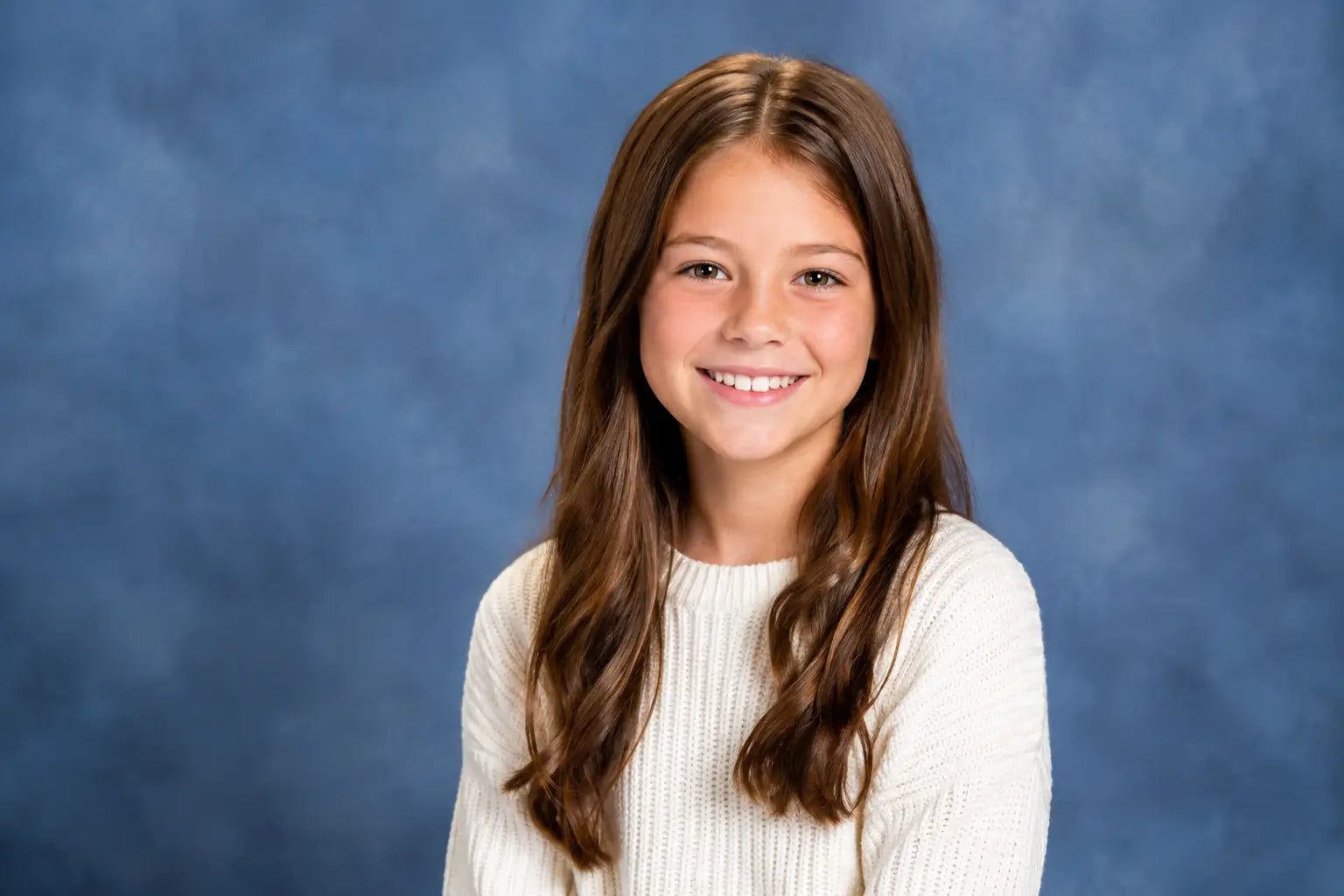
Cloth backdrops with natural-looking texture add interest without creating the visual weight of a busy printed scene. Subtle mottling, gentle painterly movement, and low-contrast texture work well because newborn skin remains the focus. These backdrops are particularly useful for classic portrait work, sibling images, and milestone images where you want a finished studio look straight from camera.
Texture should remain quiet at the working distance. A backdrop may look beautifully detailed up close but turn distracting when photographed with a wide aperture and a newborn placed only a few feet in front of it. Choose designs with broad, soft transitions instead of sharp lines or high-contrast patterning.
Hand-painted canvas for fine-art control
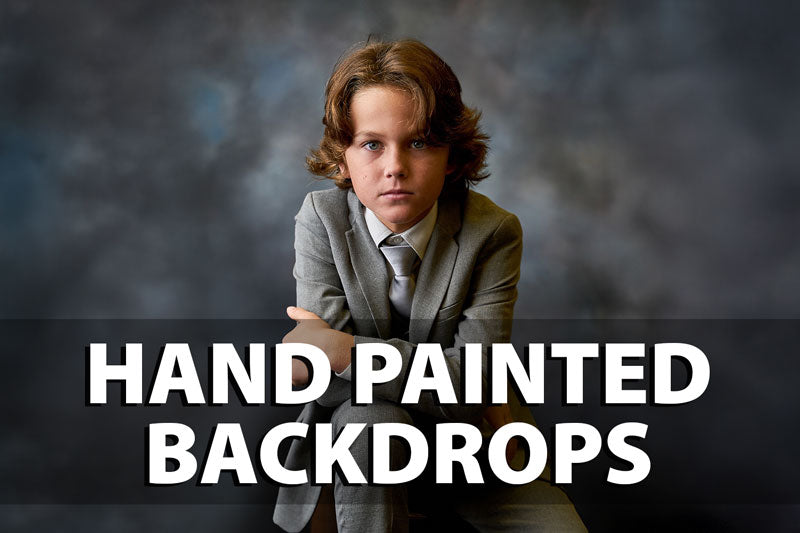
Hand-painted canvas delivers depth that can be difficult to duplicate with a flat digital file. The layered surface can photograph with tonal variation and a natural falloff that complements directional window-style light or carefully feathered studio lighting. It is an excellent option for photographers whose newborn work leans timeless, editorial, or painterly.
Canvas is less suited to every situation. It does not stretch around a beanbag as easily as fabric, and it requires deliberate handling, storage, and support. Use it where its visual character matters most: seated parent portraits, older sibling images, composite work, and carefully posed newborn scenes with a vertical background plane.
Printed vinyl or floor drops for complete sets
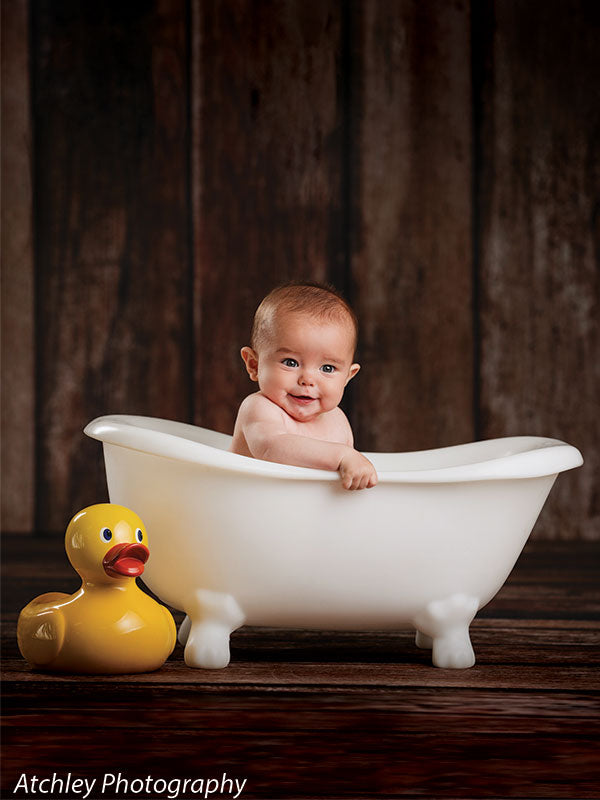
A printed floor drop is useful when the set needs a convincing surface beneath the prop as well as a background behind it. Wood, plaster, stone, tile, and soft neutral floor designs can establish a complete environment without building a physical set for every session. For newborn photographers, this is particularly helpful with miniature beds, bowls, baskets, and themed seasonal props.
Choose a smooth, non-reflective finish that photographs true without glare. The scale of the printed texture matters. Wood planks that appear too wide, brick that looks oversized, or a pattern that is too crisp can reveal the backdrop immediately. Natural texture detail should support the illusion of a real floor plane, not call attention to the material.
Seamless paper for clean family portraits
Seamless paper is not usually the first material photographers think of for a newborn-only pose, but it has a clear role in the studio. It creates an uncluttered field for parent portraits, maternity-to-newborn continuity, and simple sibling images. A warm white, light gray, or pale earth tone can give you clean, dependable files with minimal visual distraction.
Paper needs protection in a newborn workflow. It marks easily under props, shoes, and equipment, and a damaged leading edge can quickly show in the frame. Reserve it for setups that benefit from its smooth appearance and plan enough room to unroll a fresh section when needed.
Color Matters More Than Trend
Newborn images are often built around softness, but soft does not mean colorless. The most useful colors are those that flatter varied skin tones, work with natural wood and woven props, and allow small styling changes from one session to the next. Warm creams, muted sage, faded blue, dusty mauve, stone gray, and gentle brown tones remain dependable because they create mood without overpowering the subject.
Pure white can be beautiful, but it demands precise exposure and careful separation. If it is overlit, fine details in white wraps and light skin can disappear. If it is underlit, it may photograph dull or uneven. Off-white and cream usually provide more forgiving highlight control while preserving the airy look clients expect.
Dark backgrounds can be equally effective for dramatic, close-cropped portraits. Charcoal, deep brown, muted navy, and black create strong separation and can make delicate facial features stand out. Use darker surfaces when you can control spill from your key light and when the session styling is intentionally simple. A dark textured backdrop can become visually heavy if paired with dark wraps, large props, and low-key lighting all at once.
Size and Scale Prevent Difficult Cropping
A newborn backdrop should be large enough for the composition you sell, not just the pose you begin with. A small background may cover a tight overhead crop, then fail when parents request a wider image or you need room for a sibling. Plan for the widest frame in your session workflow, including room to crop without revealing stand edges, flooring, or studio walls.
For beanbag work, the backdrop needs enough length to run from the support system over the posing surface and beyond the front edge. This creates a continuous sweep with no obvious horizon line. Clamp excess material behind or beneath the posing area so it stays taut and smooth.
For floor-based sets, match the drop size to the largest prop and the distance from which you photograph. A small basket may need only a limited floor plane, while a miniature bed, parent hands, or sibling interaction needs more coverage. Test the scene through your widest intended lens before the baby is on set.
Use Lighting That Respects the Surface
Even an excellent backdrop can photograph poorly under the wrong lighting. Place the key light to create soft, controlled direction across the baby while avoiding a hot spot on the background. Matte materials give you more flexibility, but uneven light can still make a smooth surface look patchy.
When using textured cloth or canvas, let the light skim gently across the surface rather than blasting it flat. This preserves depth without turning texture into a distraction. With printed backgrounds, avoid strong angles that reveal unwanted sheen or make a floor design look too sharp compared with the softly lit baby.
Check your white balance whenever you change materials. Cream fabric, warm wood-print flooring, and gray canvas can each influence the perceived color of skin and white wraps. A quick custom white balance or consistent editing reference saves time across an entire gallery.
Build a Backdrop Kit Around Repeatable Results
A useful newborn backdrop kit does not need to be complicated. Begin with several matte neutral fabrics for beanbag work, one or two textured portrait backdrops, and a non-reflective floor drop that supports your preferred props. Add seasonal or themed designs only when they fit a repeatable offering rather than a one-time impulse.
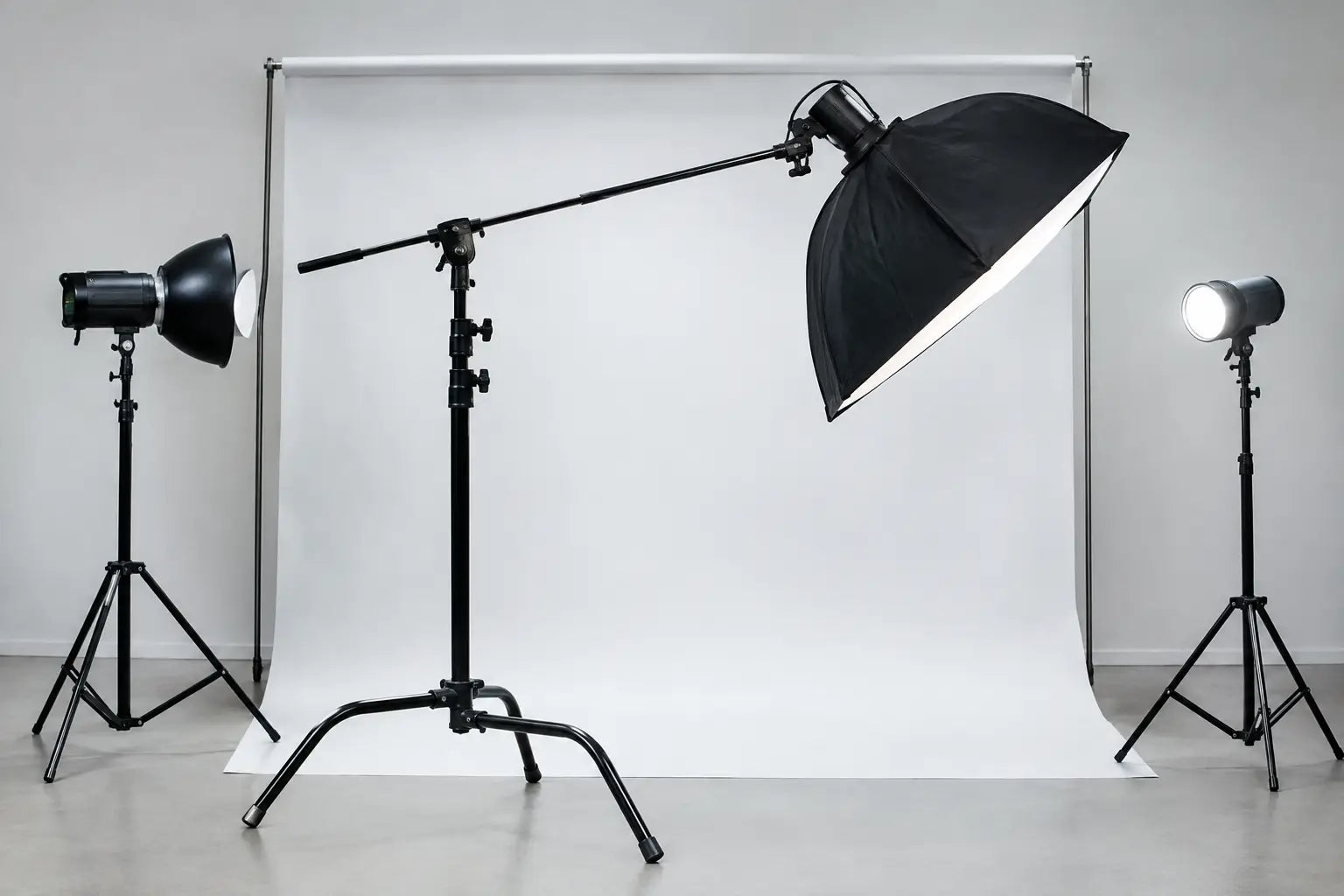
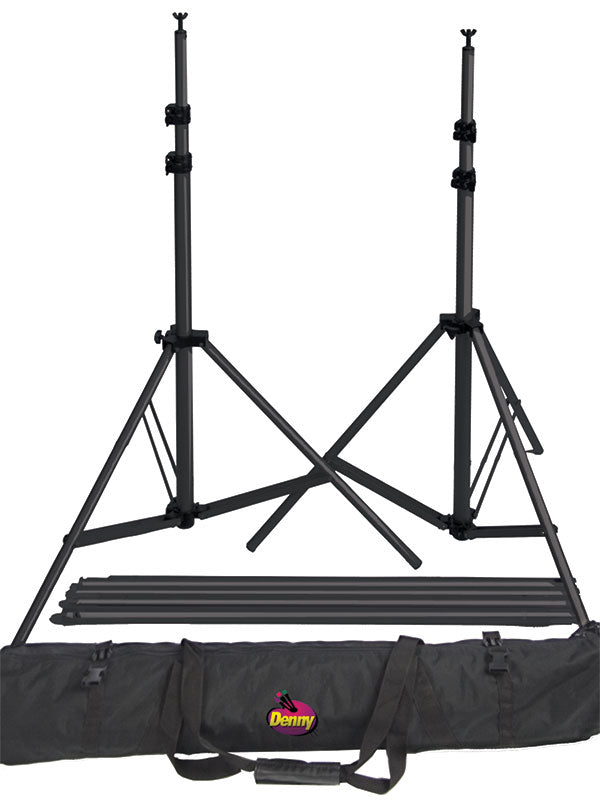
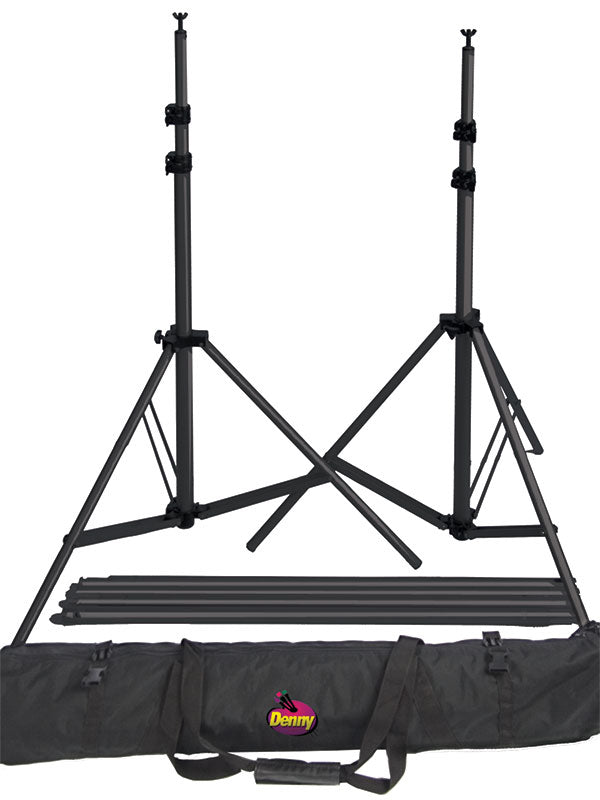
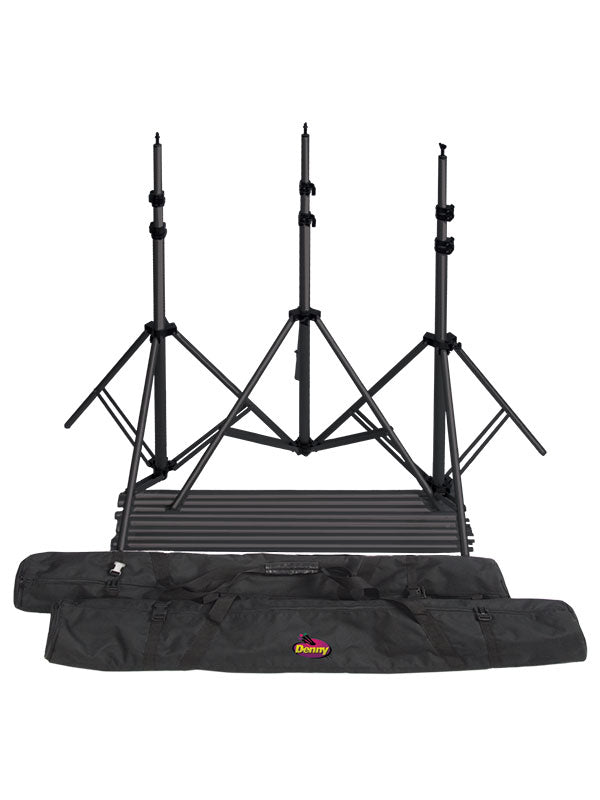
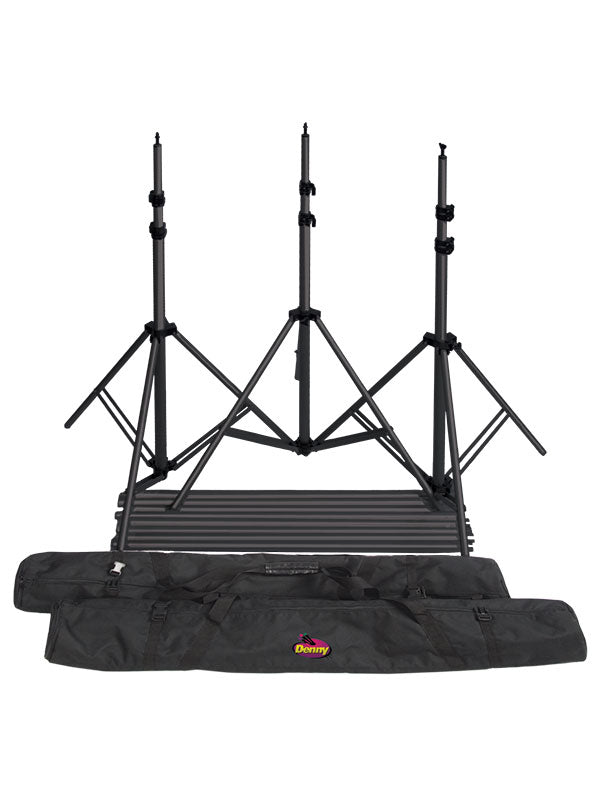
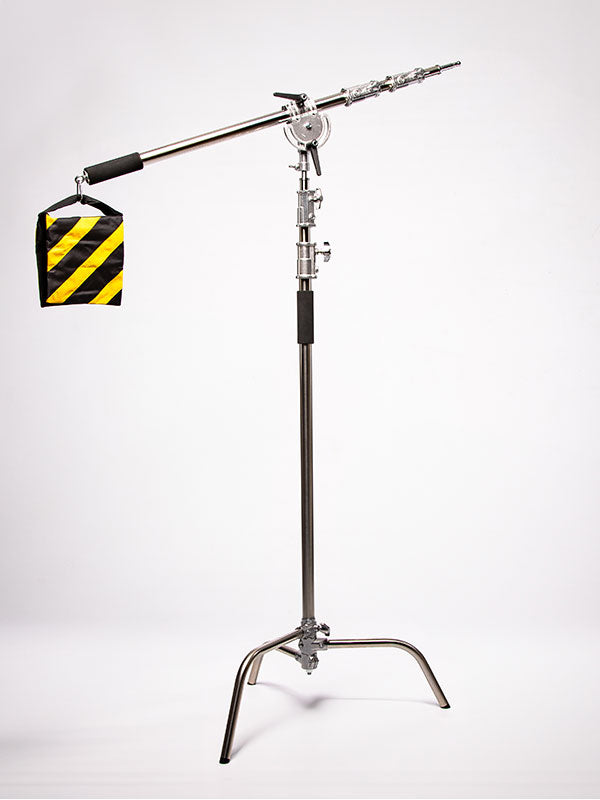
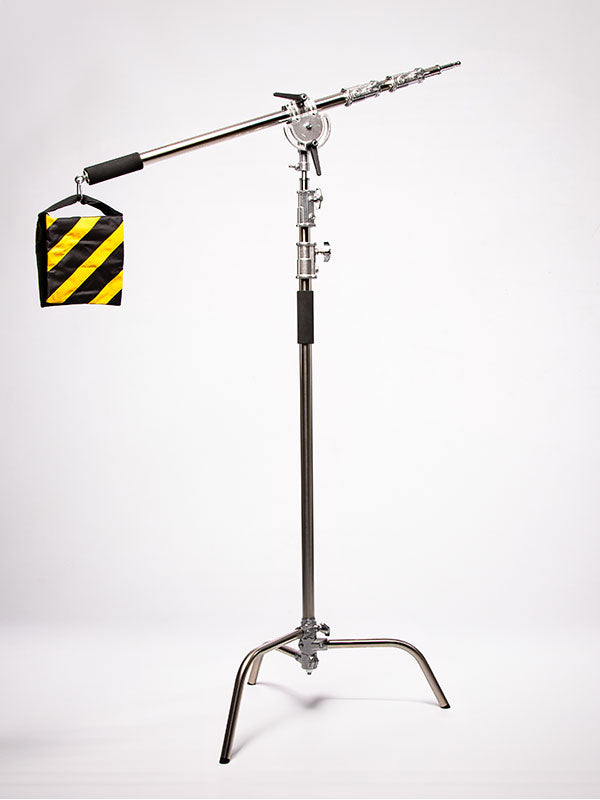
Reliable support is part of the choice. A wide backdrop needs a stable stand, secure clamps, and enough working room to shape the material without crowding the posing area. Denny Manufacturing supplies backdrop materials, floor drops, and studio support options designed for photographers who need complete, dependable sets.
Keep safety separate from styling decisions. A backdrop is never a substitute for secure posing, a spotter, proper composite technique, or hands-on supervision. Secure stands and clamps away from the baby, inspect the set before each pose, and remove any prop or material that cannot be used safely.
The strongest newborn backdrops do their work quietly. When the color supports the baby’s skin, the texture reads naturally, and the surface stays smooth under soft light, clients see a tender portrait rather than the equipment and materials behind it. Choose the backdrop that lets your posing, lighting, and careful attention to the baby remain at the center of every frame.