


































A backdrop that looks right on a product page can still become a problem once it is behind a client. It may reflect a softbox, wrinkle at the wrong point, feel too narrow for a family pose, or require more retouching than the session allows. The best photography backdrops are selected for the way they perform under lights, around subjects, and within the pace of a working studio.
For professional photographers, a background is not simply decoration. It establishes the color palette, supports the client’s wardrobe, controls the edges of the frame, and can create the appearance of a complete environment without building a permanent set. Material, finish, size, and mounting method all affect whether the final image feels polished or improvised.
Choose Photography Backdrops by the Final Image
Start with the session rather than the color. A senior portrait, a newborn session, an ecommerce product shoot, and a school photo day place very different demands on a backdrop. The right choice depends on how close the subject will stand to it, whether the background must extend onto the floor, how much setup time is available, and whether the scene will be photographed repeatedly.
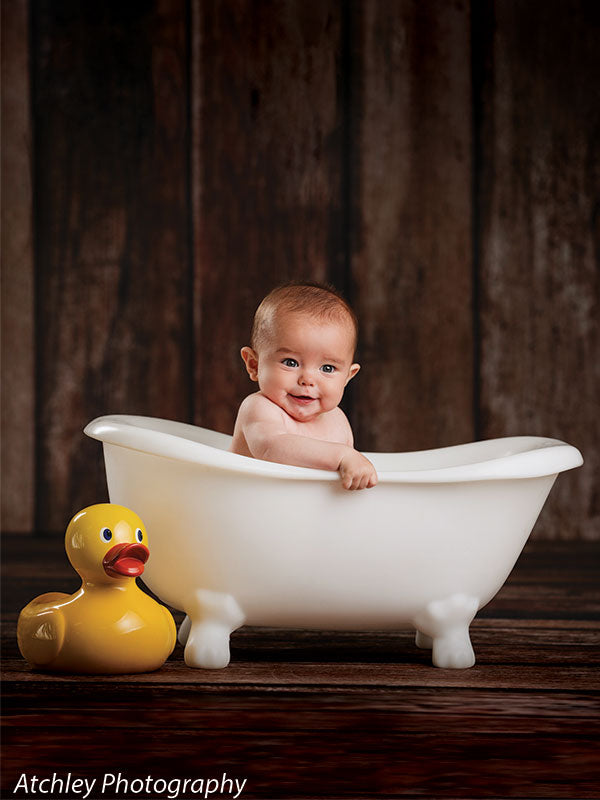
A softly textured painted surface can add depth behind a head-and-shoulders portrait. A clean printed environment may be better for themed children’s sessions, holiday promotions, or seasonal mini sessions where clients expect a recognizable scene. A plain neutral backdrop often earns its place in commercial and corporate work because it keeps attention on the subject and accepts a range of lighting treatments.
Think about what must happen at the frame edges, too. If the photographer needs to crop wide for a family group, allow room for posing adjustments and side-to-side movement. If a full-length portrait is the goal, the visual plane has to continue below the subject. A wall-only backdrop can look convincing until shoes, chair legs, or a prop enter the image.
Material Determines Setup, Texture, and Glare
Every backdrop material involves trade-offs. There is no single best choice for every studio, but there is a practical fit for each type of work.
Hand-painted cloth and canvas
Hand-painted cloth and canvas backdrops are favored for portrait work because their tonal variation and natural texture photograph with depth. A properly finished matte surface helps control reflections, particularly when working with broad soft light or placing the background near the subject. Painted patterns can create a refined look without competing with the face, which makes them a strong option for seniors, families, maternity, boudoir, and fine-art portrait sessions.
Canvas generally offers more weight and structure, while cloth can be easier to transport and manage in studios that change sets often. Both require thoughtful storage and handling. Folding, crushing, or dragging a painted surface across a rough floor can create marks that become visible under directional lighting. Roll or hang them when practical, and allow time for the material to relax before a critical shoot.
Vinyl and printed backgrounds
Vinyl backgrounds provide a highly practical solution when a photographer needs detailed scenes, repeatable color, or a surface that is easier to clean between sessions. They are especially useful for cake smashes, children’s themes, food photography, pets, and holiday sets where spills and frequent handling are expected. A quality matte vinyl finish should photograph true without glare while preserving the printed texture detail.
The visual realism of a printed design matters most when the subject interacts with the scene. Brick, plaster, windows, floral walls, and holiday interiors should retain believable scale and perspective. Keep the subject far enough from the background to reduce shadows, unless the set is intended to look close and graphic. Distance also helps preserve separation in the final image.
Paper and muslin
Seamless paper remains a dependable studio standard for clean colors, high-key looks, headshots, product work, and fashion images. It creates a smooth sweep from wall to floor, but it is not built for heavy foot traffic or repeated messes. Once the floor section becomes scuffed, wrinkled, or dirty, advance the roll and trim the used portion.
Muslin provides a softer, more casual texture and can be a cost-effective option for photographers who need a variety of colors. It can wrinkle, and those wrinkles may be a feature or a distraction depending on the desired look. A deliberately textured muslin works well for relaxed portraiture. For a clean commercial background, paper or a smooth vinyl surface may save more time in post-production.
Build a Realistic Floor Plane
A convincing background does not stop at the wall. Full-length portraits, seated poses, product scenes, and children’s photography all reveal the floor. When the floor surface does not match the wall or reflects light differently, the image can feel disconnected even when the background itself is attractive.
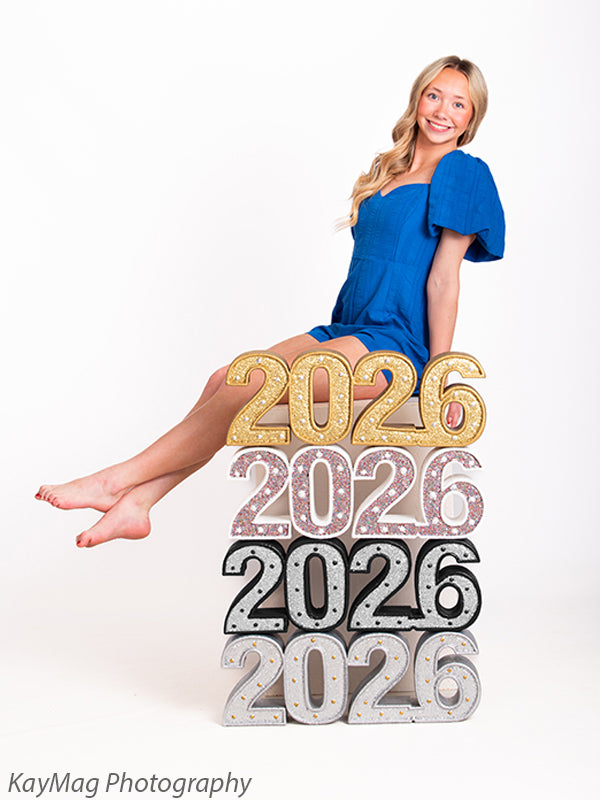
Floor drops solve this problem by extending the set beneath the subject. Printed wood, concrete, stone, tile, and brick designs can create a complete scene without constructing a platform or remodeling a studio corner. Look for a smooth, non-reflective finish so hot spots from windows, strobes, or overhead modifiers do not pull attention away from the subject.
Scale is the key consideration. Large plank flooring, oversized tile, or dramatic brick patterns can look unnatural when photographed close to a newborn or small child. For product photography, test the surface with the actual product and chosen lens before committing to a final composition. Perspective can change quickly at close range.
Size the Backdrop for the Subject and Lens
Backdrop width should match the widest composition you regularly deliver, not the tightest crop you can make work. A narrow backdrop may be sufficient for headshots, but it creates limitations when a client brings a partner, child, pet, or a larger wardrobe. Wide backgrounds also provide more room to place lights outside the frame and reposition the subject without showing an unfinished edge.
Height matters when photographing standing adults or building a tall event display. A background that is technically tall enough can still become restrictive if it must be mounted low or if the photographer uses a raised posing platform. Measure from the support bar to the floor, then account for the amount of material needed behind the subject and, if applicable, across the floor.
Lens choice affects these measurements. A wider lens sees more of the set, including edges and floor transitions. A longer portrait lens narrows the field of view but may require more studio depth. Plan the backdrop around the camera position you actually use rather than relying on a single product dimension.
Match the Support System to the Workload
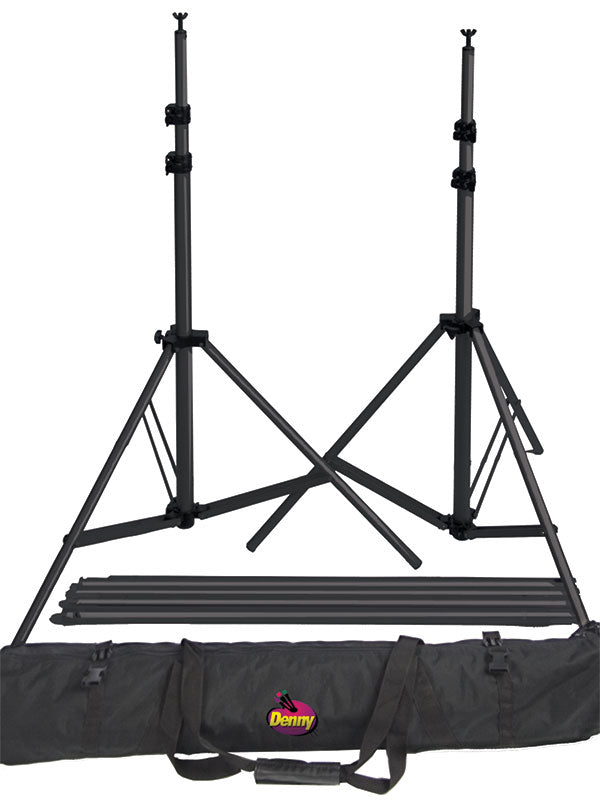
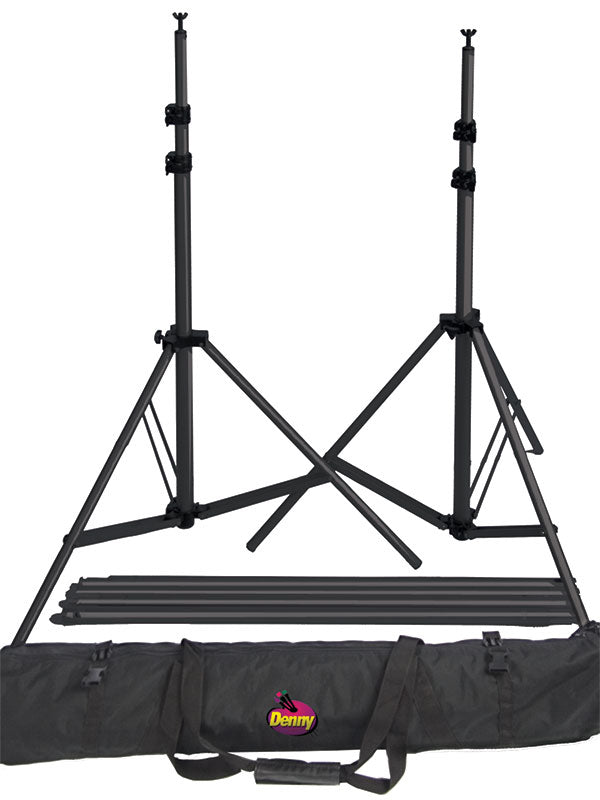
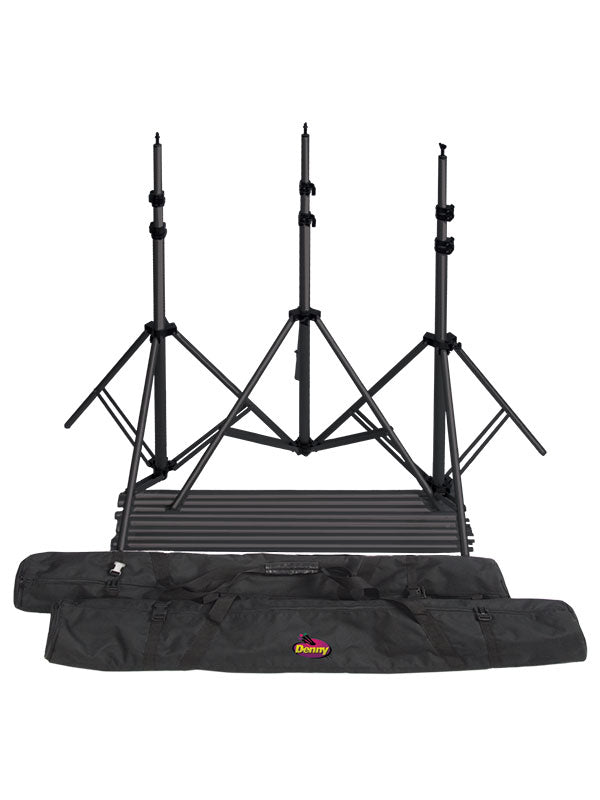
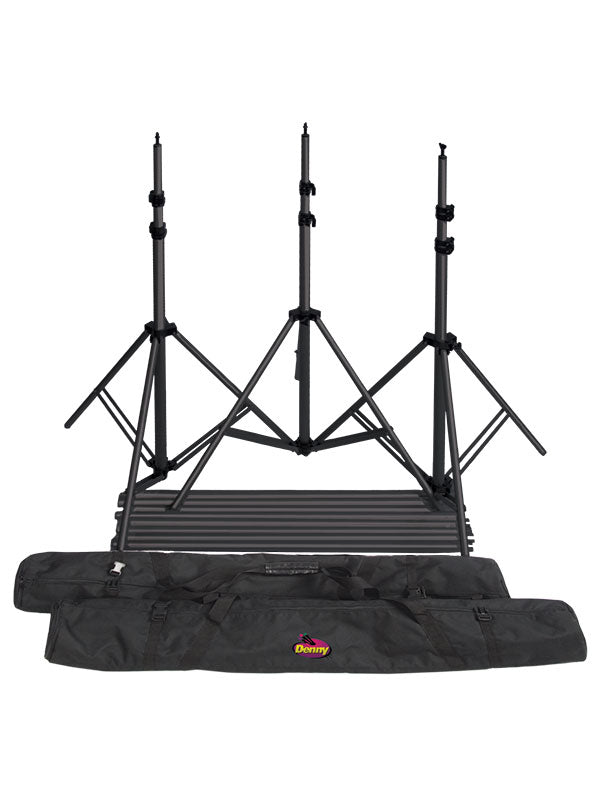
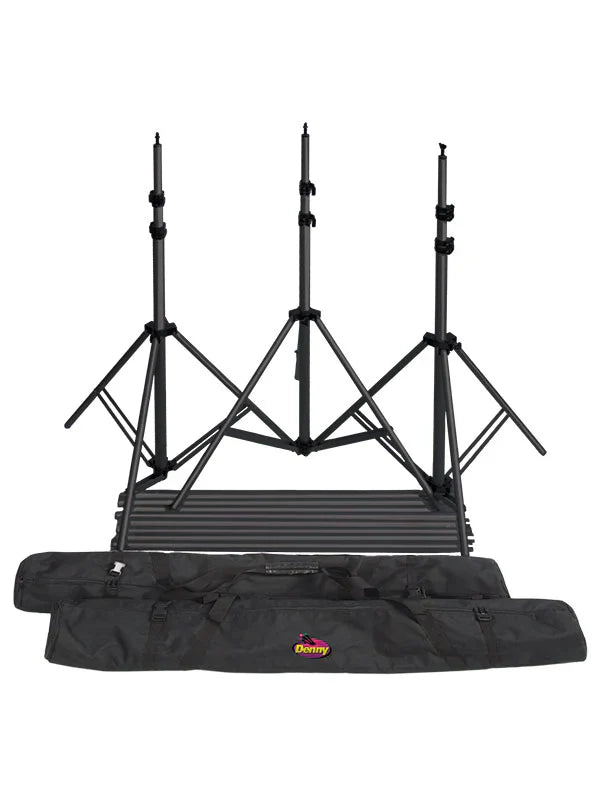
A backdrop is only as reliable as its support. Lightweight portable stands are useful for location sessions, school portraits, and quick seasonal setups. They are not always the right solution for wide canvas, heavy vinyl, or a long floor sweep. Larger materials need stable crossbars, secure clamps, and stands with enough capacity to remain steady when a client, assistant, or airflow moves nearby.
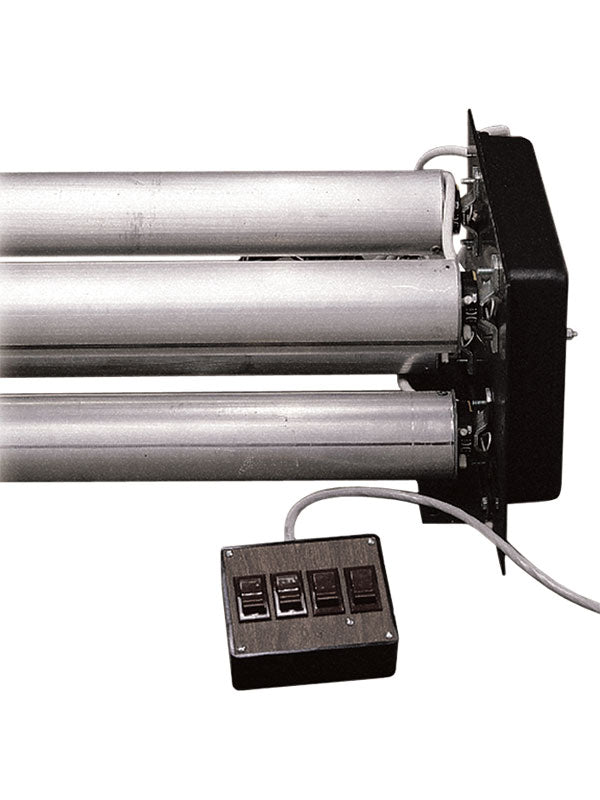
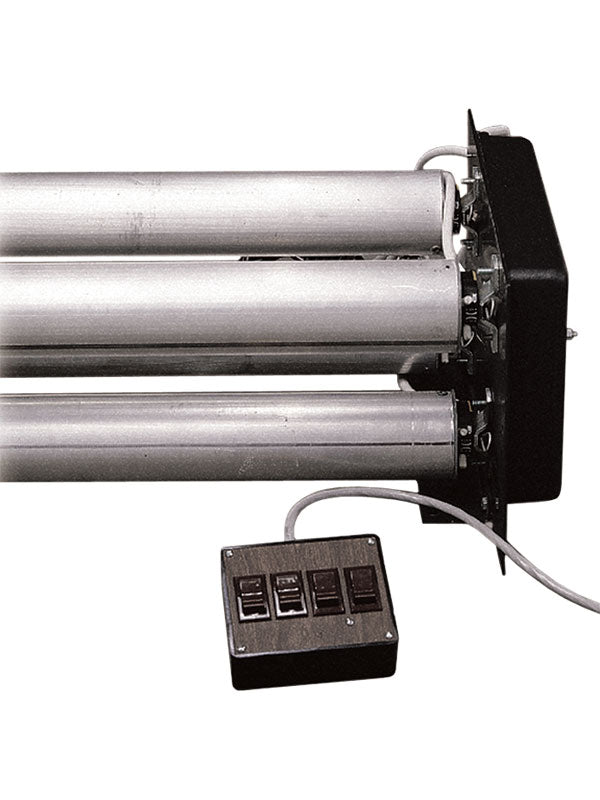
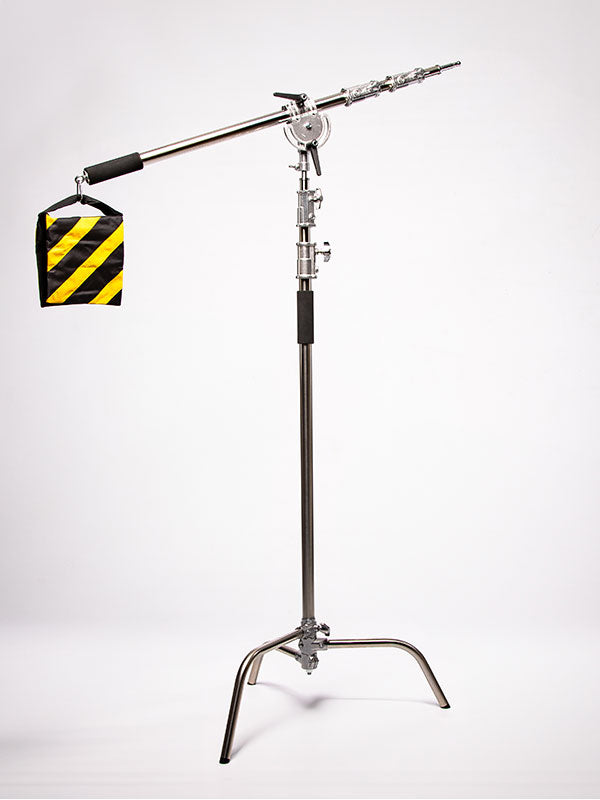
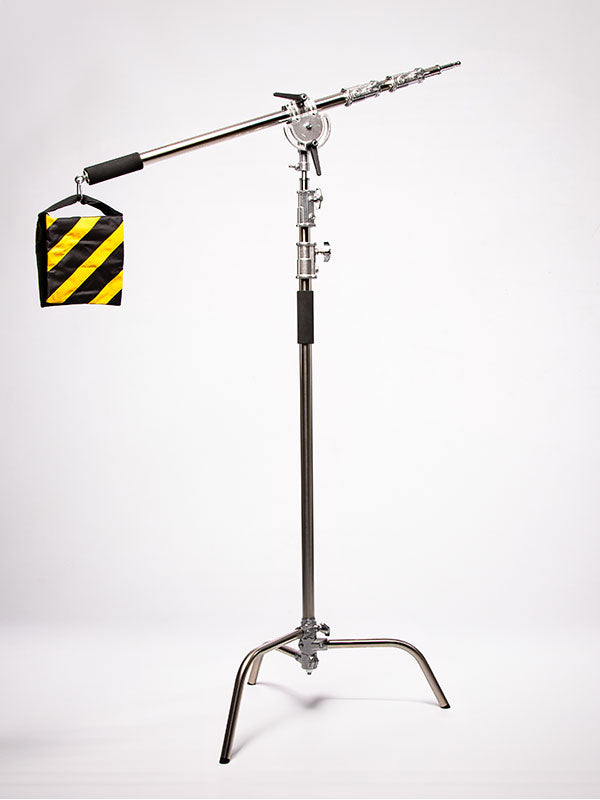
For permanent or high-volume studio spaces, roller systems and wall-mounted solutions can speed up changeovers and keep frequently used backgrounds clean and organized. C-stands and grip equipment add flexibility for specialty placements, overhead pieces, and custom set construction. The best setup is the one that lets the photographer change a background confidently without interrupting the session.
Do not overlook storage. Backdrops that are regularly used should be accessible, protected from moisture, and labeled by material, size, and session type. A well-organized inventory shortens setup time and makes it easier to offer clients options without turning the studio into a search project.
Light the Background as Its Own Surface
Treat the backdrop as a separate element of the exposure. When the subject is too close, shadows can become harsh and reveal wrinkles or surface texture that was not noticeable to the eye. Moving the subject forward often produces a cleaner result and allows the background to fall slightly darker, which improves subject separation.
If the goal is an evenly lit high-key background, use dedicated background lights and watch for spill wrapping around the subject. If the goal is mood, let the background receive less light or use a controlled gradient. Matte, non-reflective materials offer more flexibility because they are less likely to show direct reflections from modifiers.
For printed scenes, avoid lighting that changes the apparent color temperature of the design. A warm gel on the subject can be effective, but it may clash with a cool gray wall or winter scene behind them. Test one finished frame before the client arrives, especially when the set includes flooring, props, and multiple light sources.
Denny Manufacturing’s range of painted, printed, floor, and support options makes it possible to build around a specific session instead of forcing every client into the same background. The practical advantage is consistency: a set that photographs well can be repeated, refined, and used profitably across an entire season.
The backdrop worth keeping is the one that reduces corrections after the session. Choose surfaces that fit the subject, hold up to the pace of your work, and give every frame a finished place to happen.

Leave a comment (all fields required)