from
$150.80
from
$150.80 from
$21.32
from
$21.32


 from
$499.00
from
$499.00 $279.95
 $179.95
 $199.95
 $289.00
 from
$931.65
from
$931.65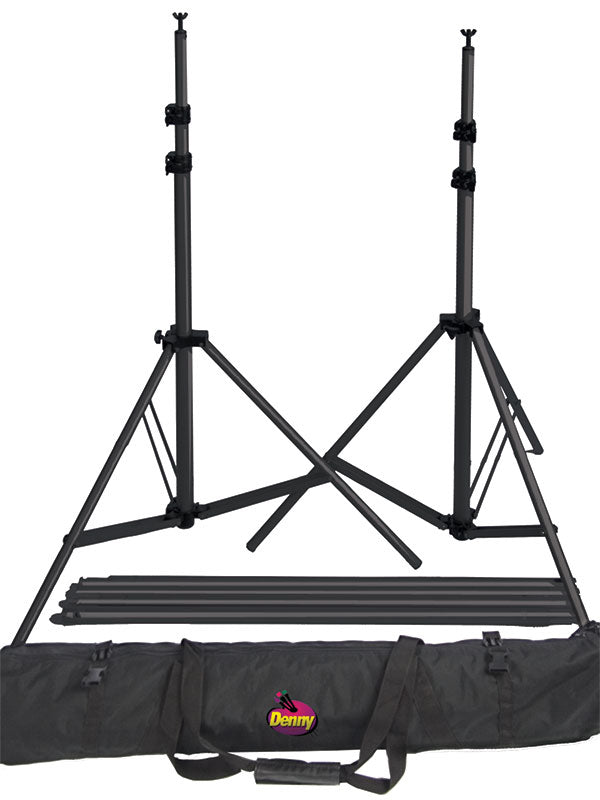 $197.12
 from
$16.99
from
$16.99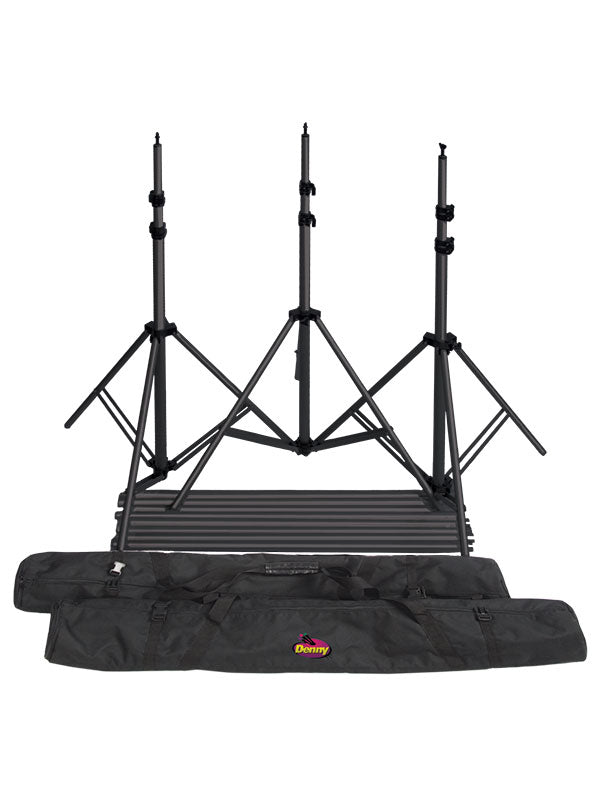 $344.96
 $279.00
Choosing a photography backdrop involves more than finding a design you like. Size, material, storage, portability, lighting and the type of photography you shoot can all affect which backdrop works best.
A portrait photographer working from a permanent studio may have very different needs from a photographer traveling to schools, events or client locations. The goal is to choose a backdrop that fits both your photographic style and the way you actually work.
Start with five questions:
What will you photograph?
How many people will normally be in the photograph?
Will you photograph full-length or only head-and-shoulder portraits?
Will the backdrop stay in a studio or travel with you?
How much storage space do you have?
These answers will help determine both the size and material you need.
Different backdrop materials solve different problems.
Freedom Clothis Denny Mfg.'s exclusive 100% polyester fabric backdrop material. It is wrinkle resistant, machine washable and dryer safe and can be folded or rolled for storage.
Its portability makes it a practical choice for photographers who frequently change backgrounds or travel between locations.
Freedom Cloth also has a matte surface, helping reduce unwanted glare from studio lighting.
Canvas provides a heavier, more traditional studio backdrop. Denny's printed canvas can be mounted on wood, rolled onto a tube or installed on a backdrop roller system.
Canvas is a good choice for permanent or semi-permanent studios where the backdrop will remain rolled rather than folded.
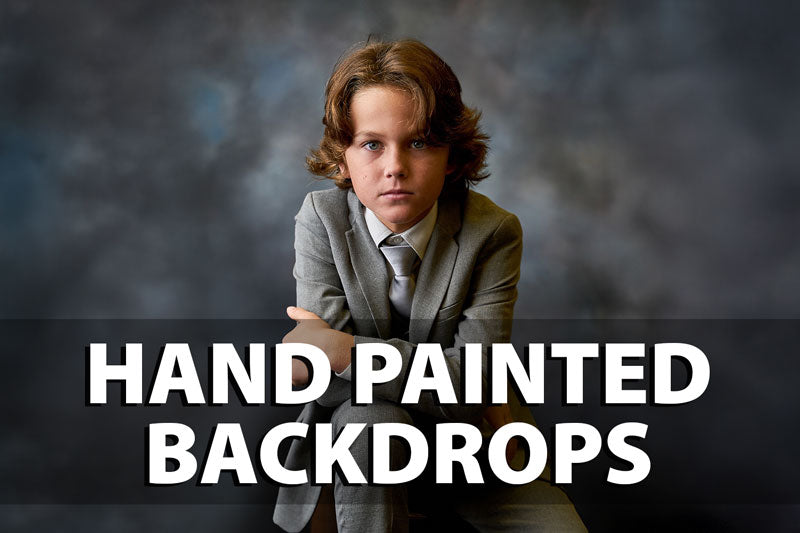
Hand-painted photography backdrops create subtle tonal variations, texture and depth that can look especially effective in portrait photography.
Rather than reproducing a photographic scene, a hand-painted backdrop becomes part of the portrait itself.
They are particularly suited for:
Fine-art portraits
Senior portraits
Family photography
Children's portraits
Headshots
Editorial photography
A Twist-Flex backdropis built around a flexible wire frame and folds into a compact circular shape for transportation.
These are useful for photographers who need to create a portrait setup quickly and have limited space.
Velvet-style printed backdrops provide particularly rich color reproduction and a matte appearance. They can be folded for compact storage and washed and dried in household machines.
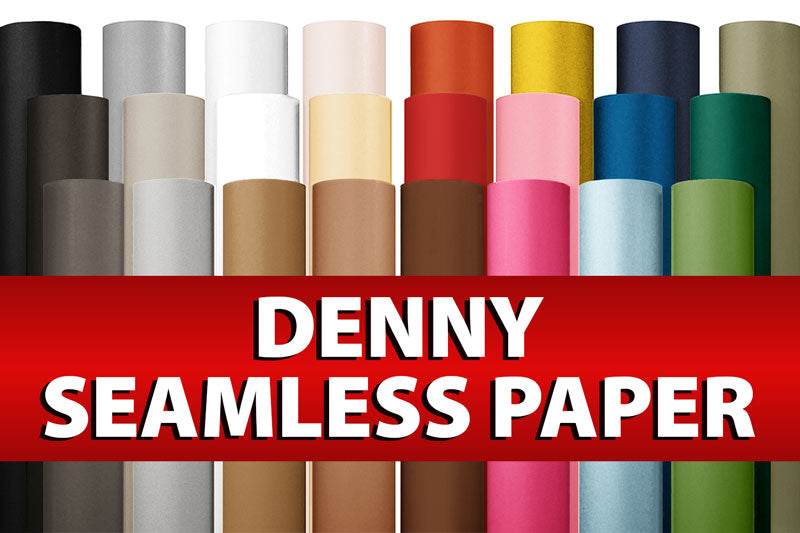
Poly Paper is a lightweight synthetic coated paper and is one of the most economical backdrop options.
It works well when portability and cost are primary considerations. Unlike Freedom Cloth, however, it should be rolled rather than folded to help prevent creases.
The right size depends primarily on composition. See our complete Photography Backdrop Size Guide.
For headshots, approximately 5' x 6' to 6' x 8' may provide enough coverage.
For greater versatility, 8' x 10' and 10' x 10' are popular sizes.
For full-length portraits, Denny generally recommends an 8' x 16' backdrop or larger. The additional length allows the backdrop to extend onto the floor while providing more freedom to position the subject.
Larger backgrounds also make photographing families and groups easier.
Neither is inherently better. They create different looks.
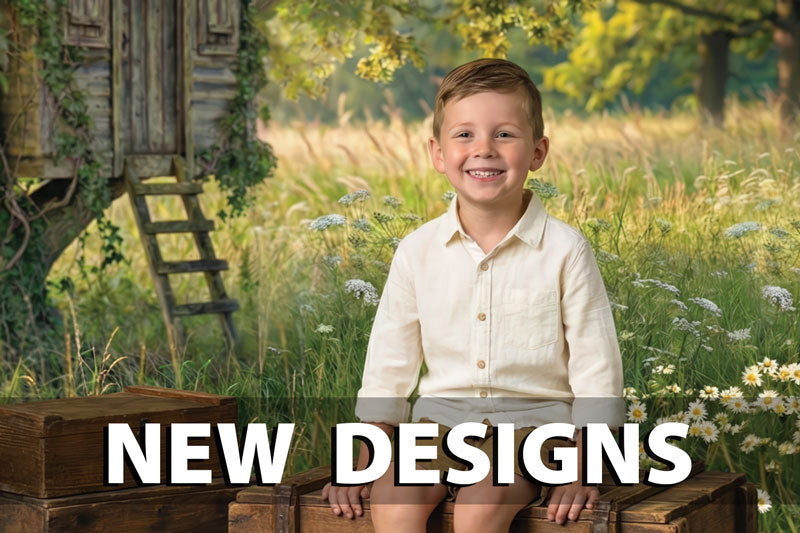
Printed backdrops can reproduce architectural environments, floral designs, walls, seasonal scenes, abstract designs and thousands of other settings.
Hand-painted backgrounds emphasize color, texture and tonal variation instead.
Photographers wanting a realistic environment may prefer a printed design.
Photographers looking for timeless portraiture may prefer a hand-painted backdrop.
Many studios use both.
Storage is often overlooked when photographers choose their first backdrop.
Fabric backdrops such as Freedom Cloth can be folded, making them convenient for studios with limited storage space.
Canvas and vinyl should generally be rolled rather than folded.
Collapsible Twist-Flex backdrops are designed specifically for compact storage and transportation.
Consider where your backdrop will live when it is not being used before deciding which material works best for you.
Your backdrop also needs to work with your studio setup.
Depending on the material, mounting options can include:
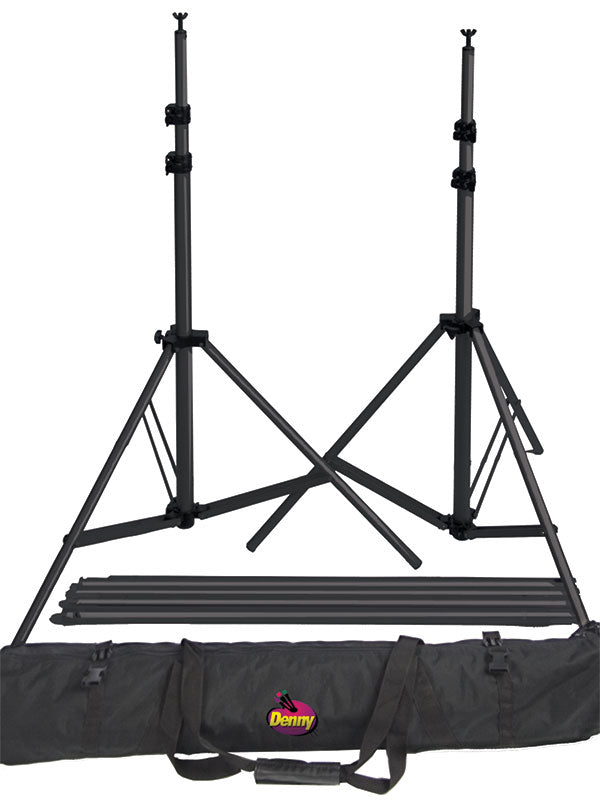
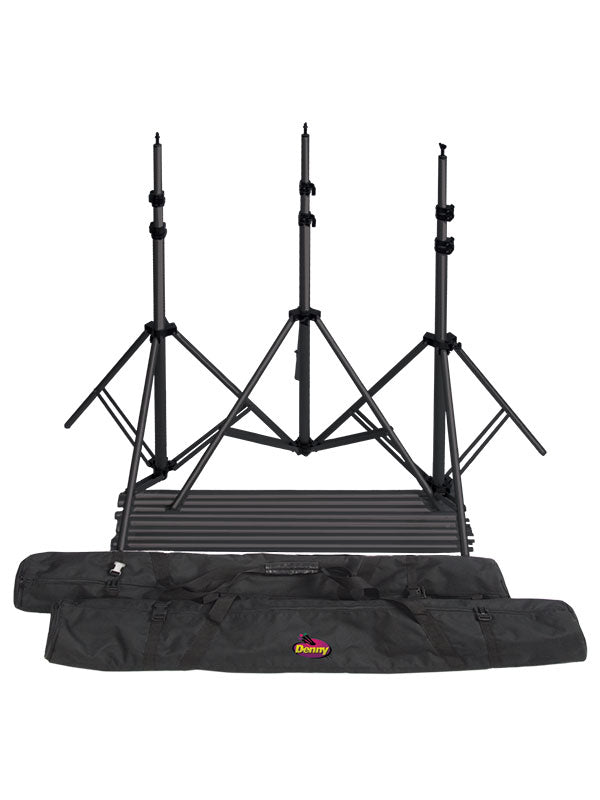
Backdrop stands
Pole pockets
Grommets
Clamps
Wood mounting
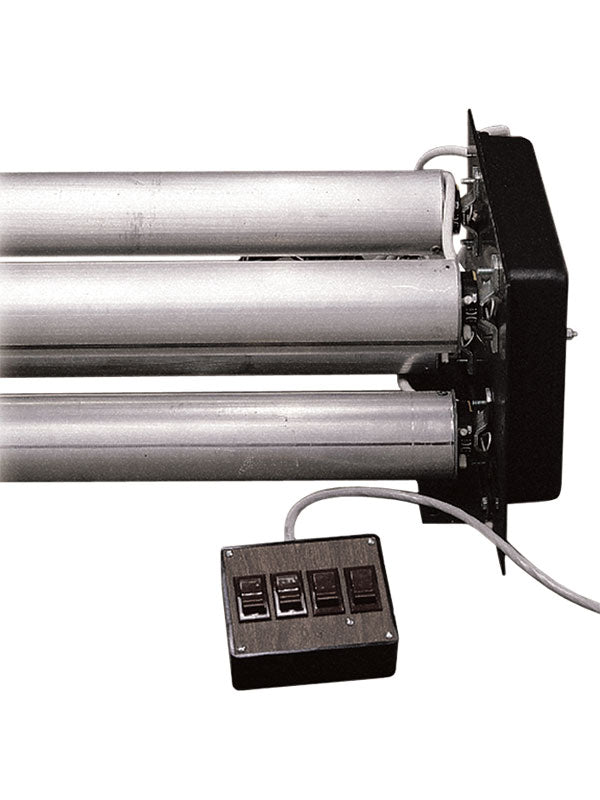
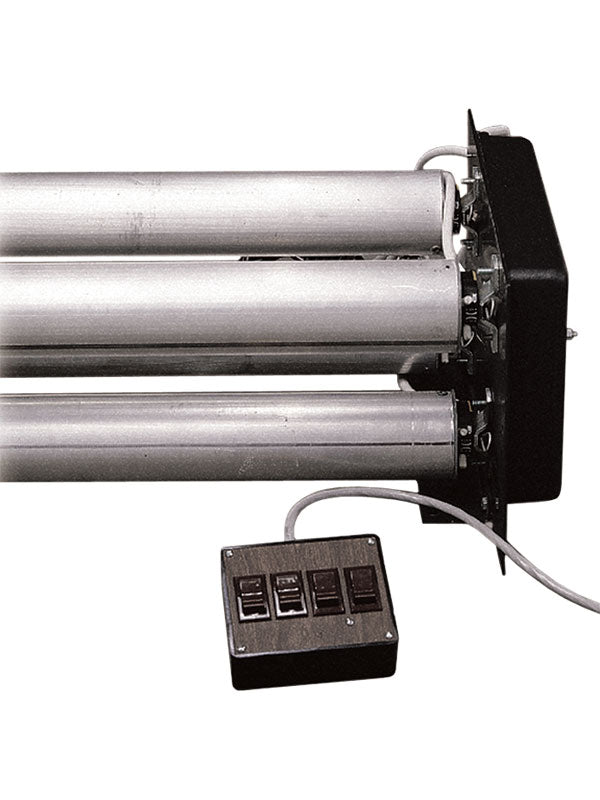
Backdrop roller systems
Wall-mounted systems
If you regularly switch between several backgrounds, a roller or lift system may make studio changes faster.
There isn't one backdrop that is best for every photographer.
Choose based on how you work:
For portability: Freedom Cloth or Twist-Flex
For easy storage: Freedom Cloth
For traditional studio portraiture: Canvas or hand-painted backgrounds
For rich printed color: Velvet
For economical temporary setups: Poly Paper
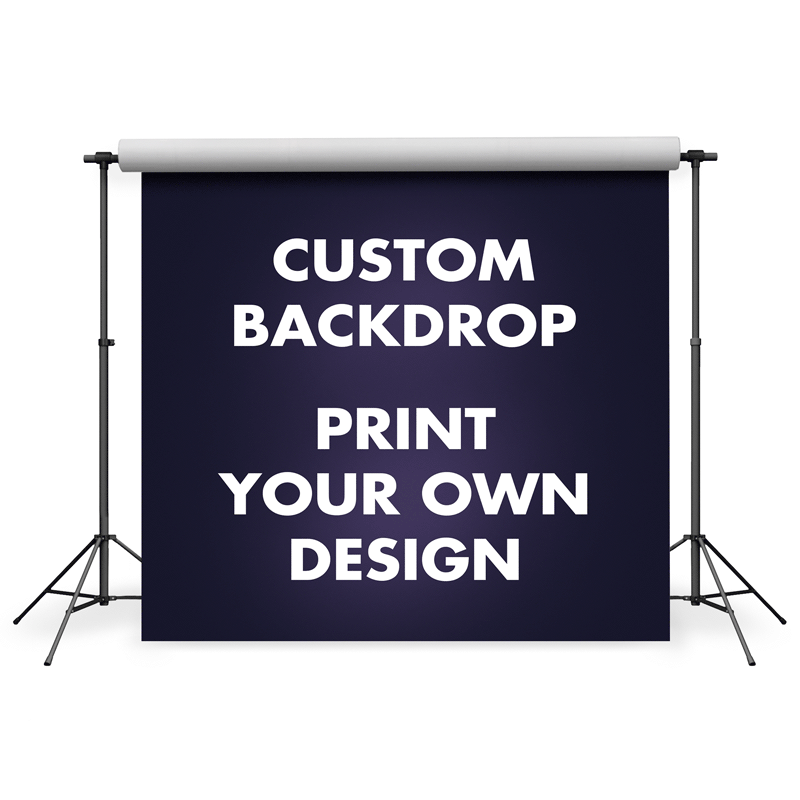
For branded events or unique designs: Custom backdrops
The best backdrop is ultimately one that fits your photography, studio space and workflow.
Denny Mfg. has been manufacturing professional photography backdrops and studio equipment since 1971, with printed, hand-painted and custom backdrop options made for photographers with a wide range of studio needs.